Bulgaria — Nessebar, June 2019
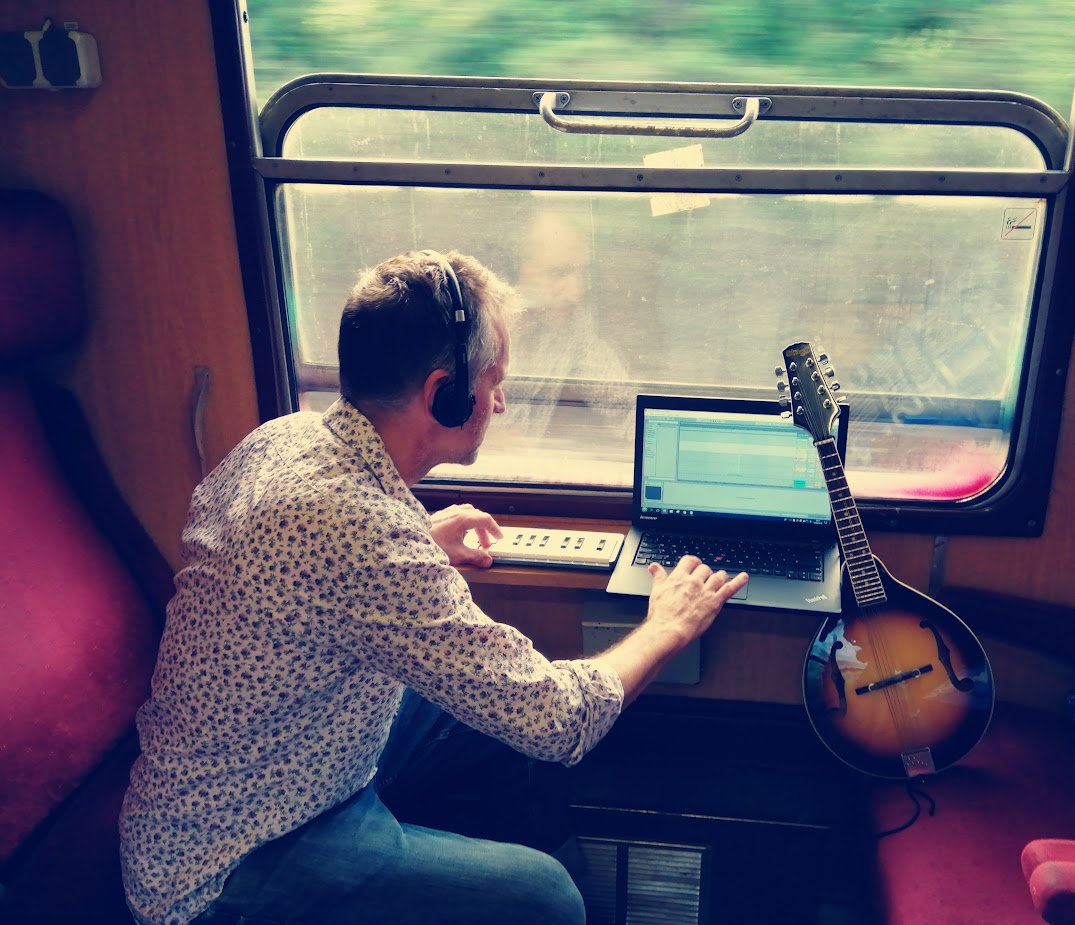
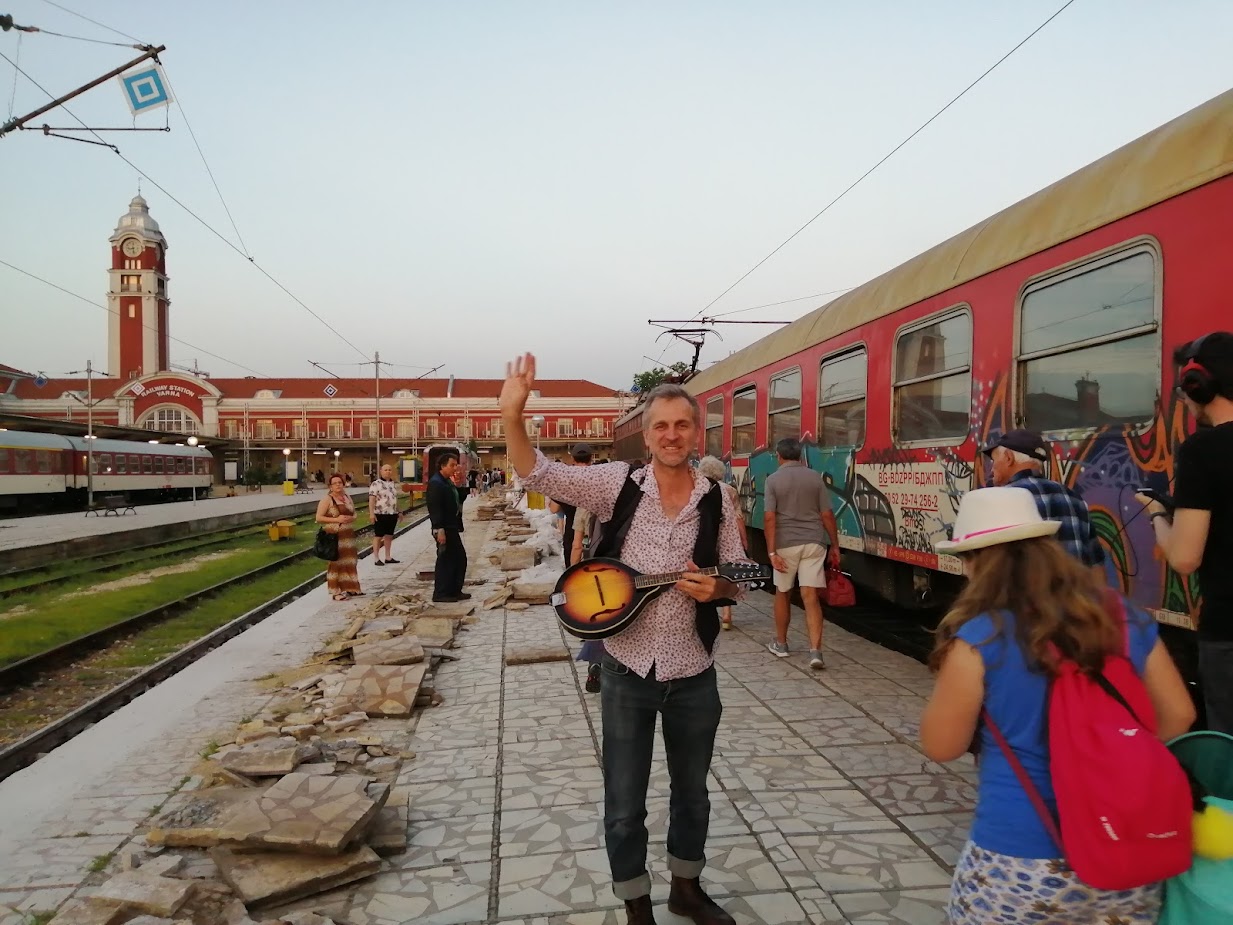
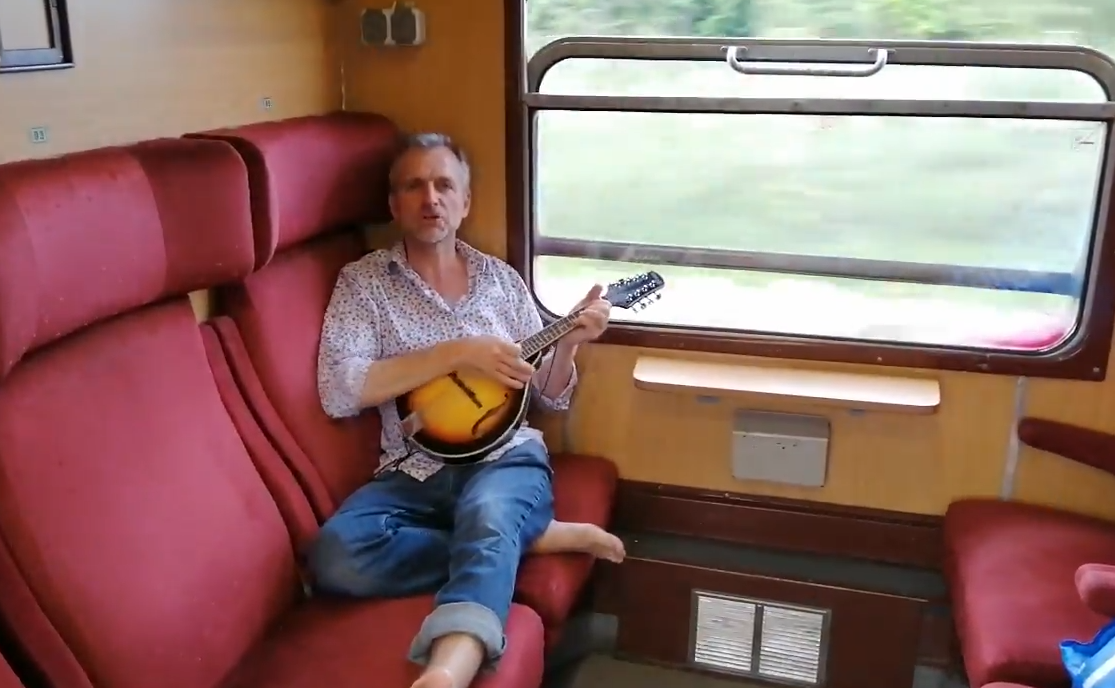
The journey was by train from Sofia, across the Bulgarian plains and down to the Black Sea coast, via Balchik — a limestone clifftop town of Ottoman houses and a botanical garden that once belonged to the Queen of Romania. Strange and beautiful in equal measure.
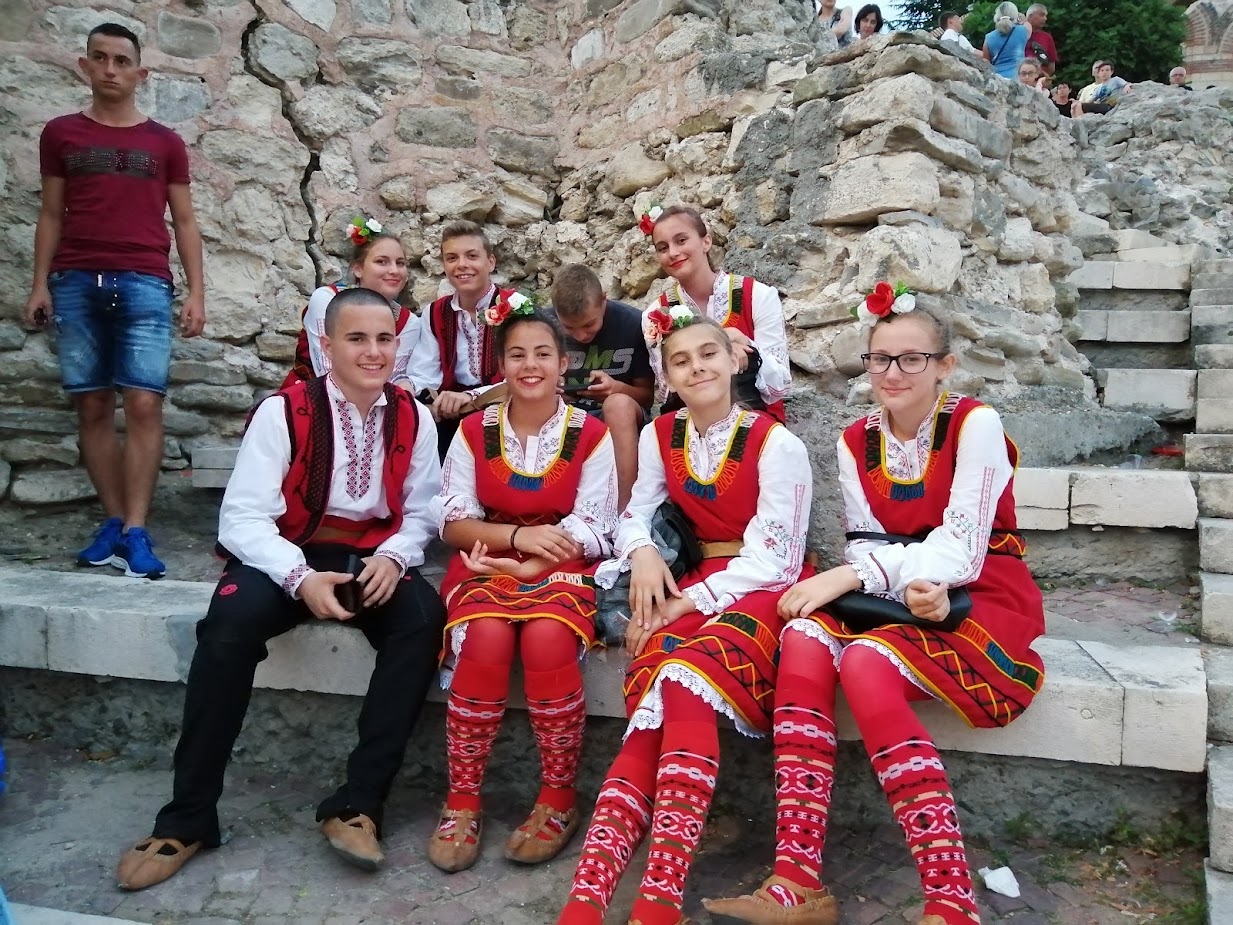
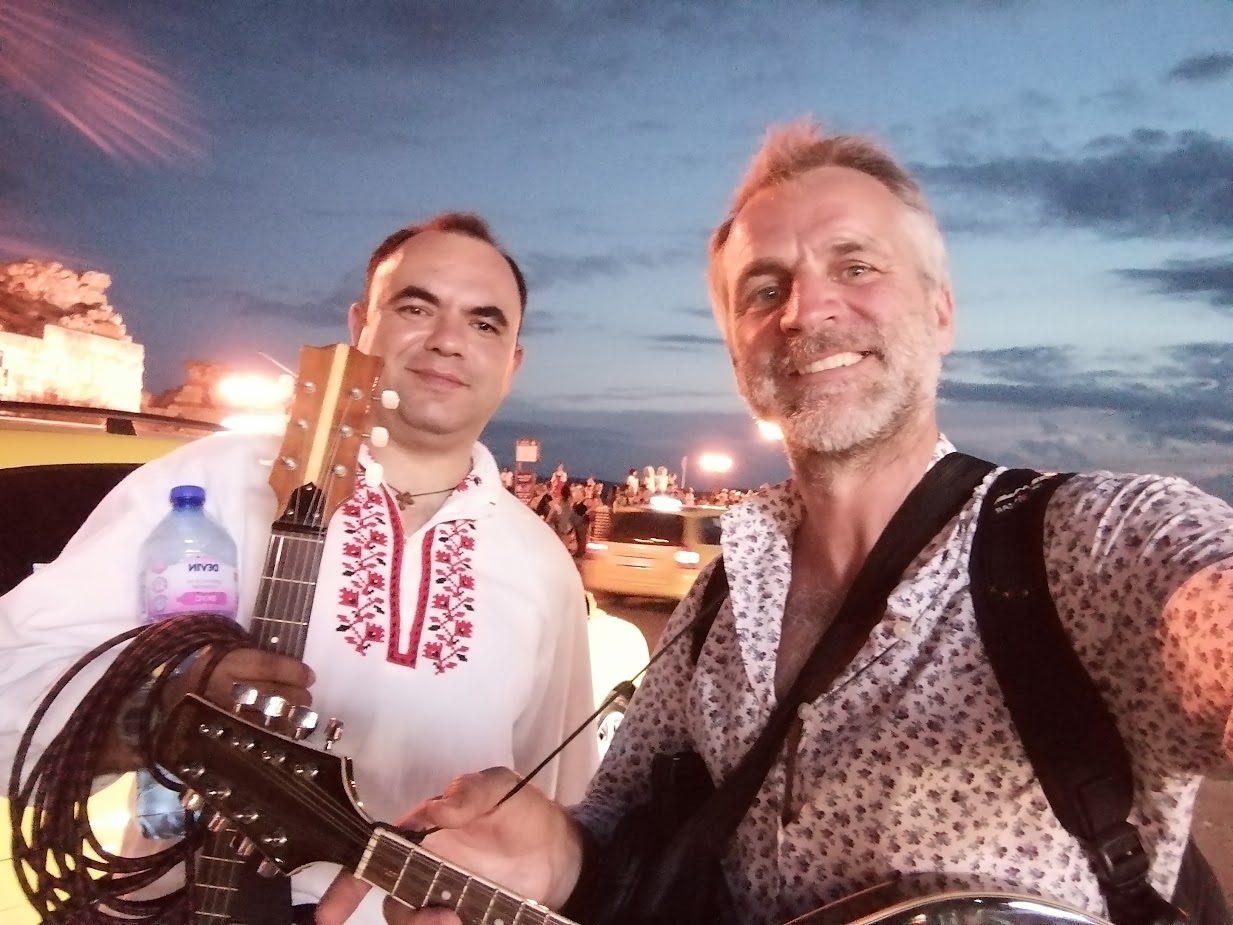
The destination was Nessebar: a medieval town on a narrow peninsula, Byzantine churches in ruins, cobbled streets, three thousand years of habitation in a place small enough to walk across in ten minutes. The occasion was the IX World Championship of Folklore — folk groups from across the world filling the square each evening with embroidered costumes, drums, and the fierce asymmetric rhythms of Bulgarian music. Those odd metres — 7/8, 11/16 — that refuse to land where you expect them. The mandolin kept trying and kept landing slightly wrong. That was its own kind of education.
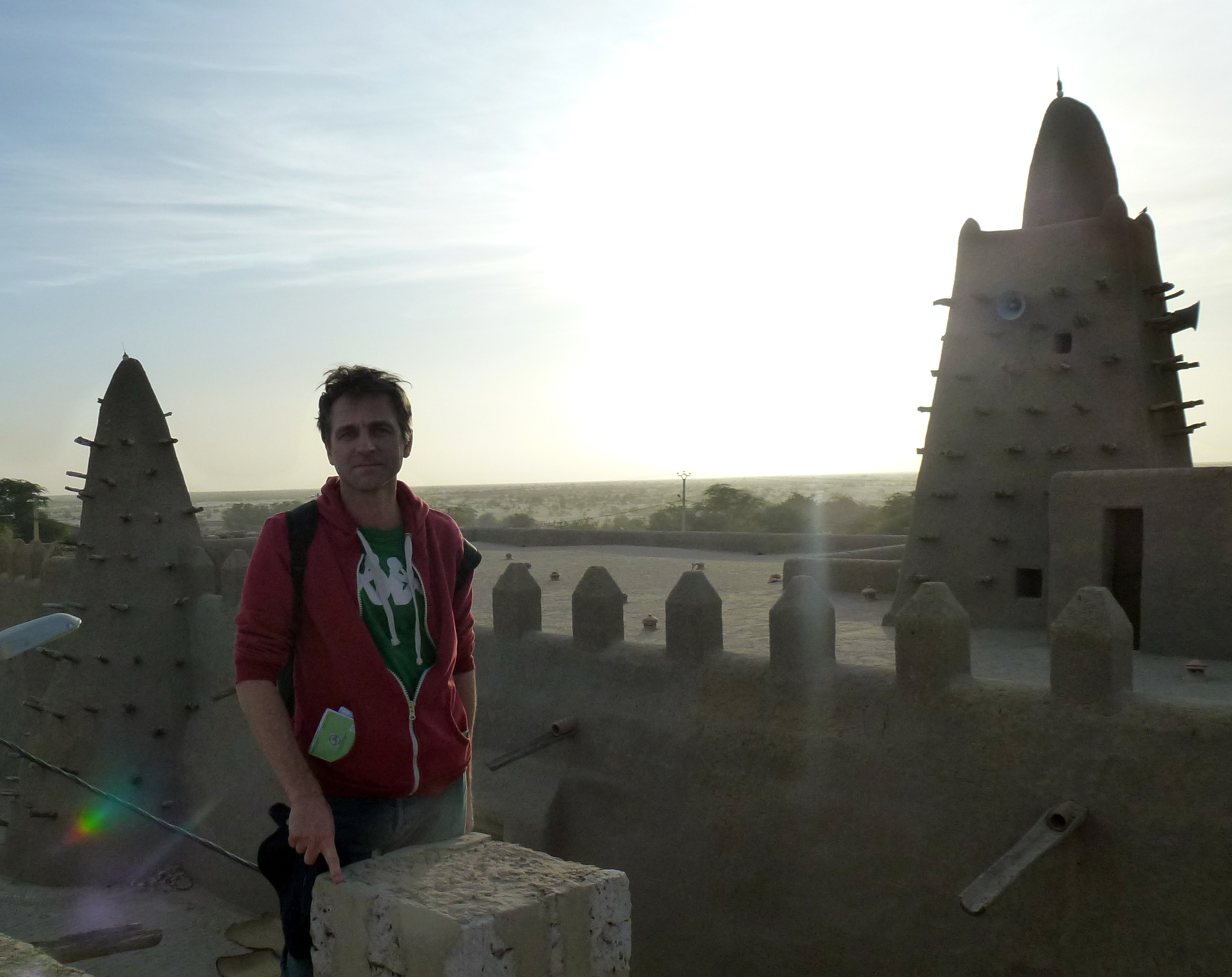
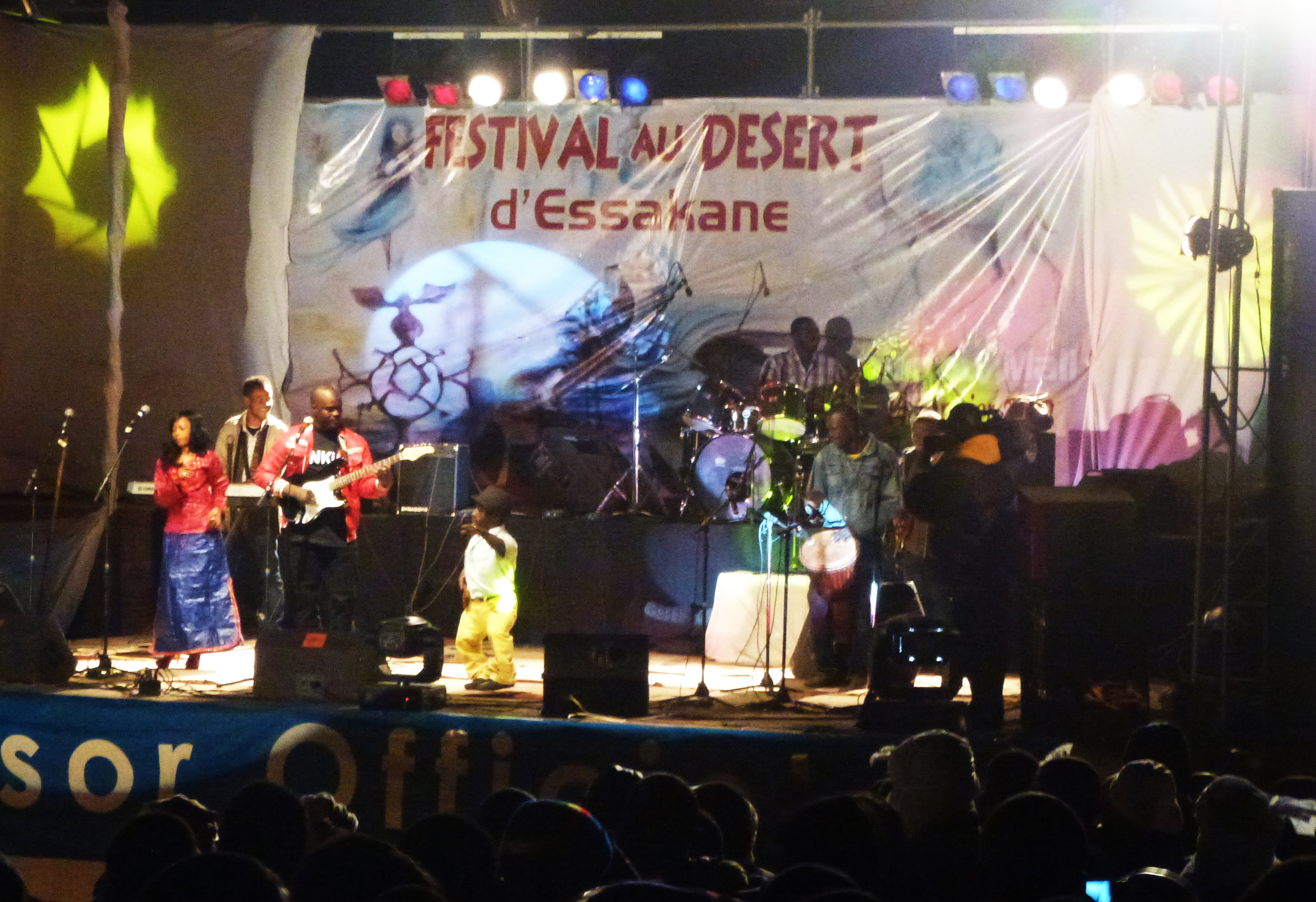
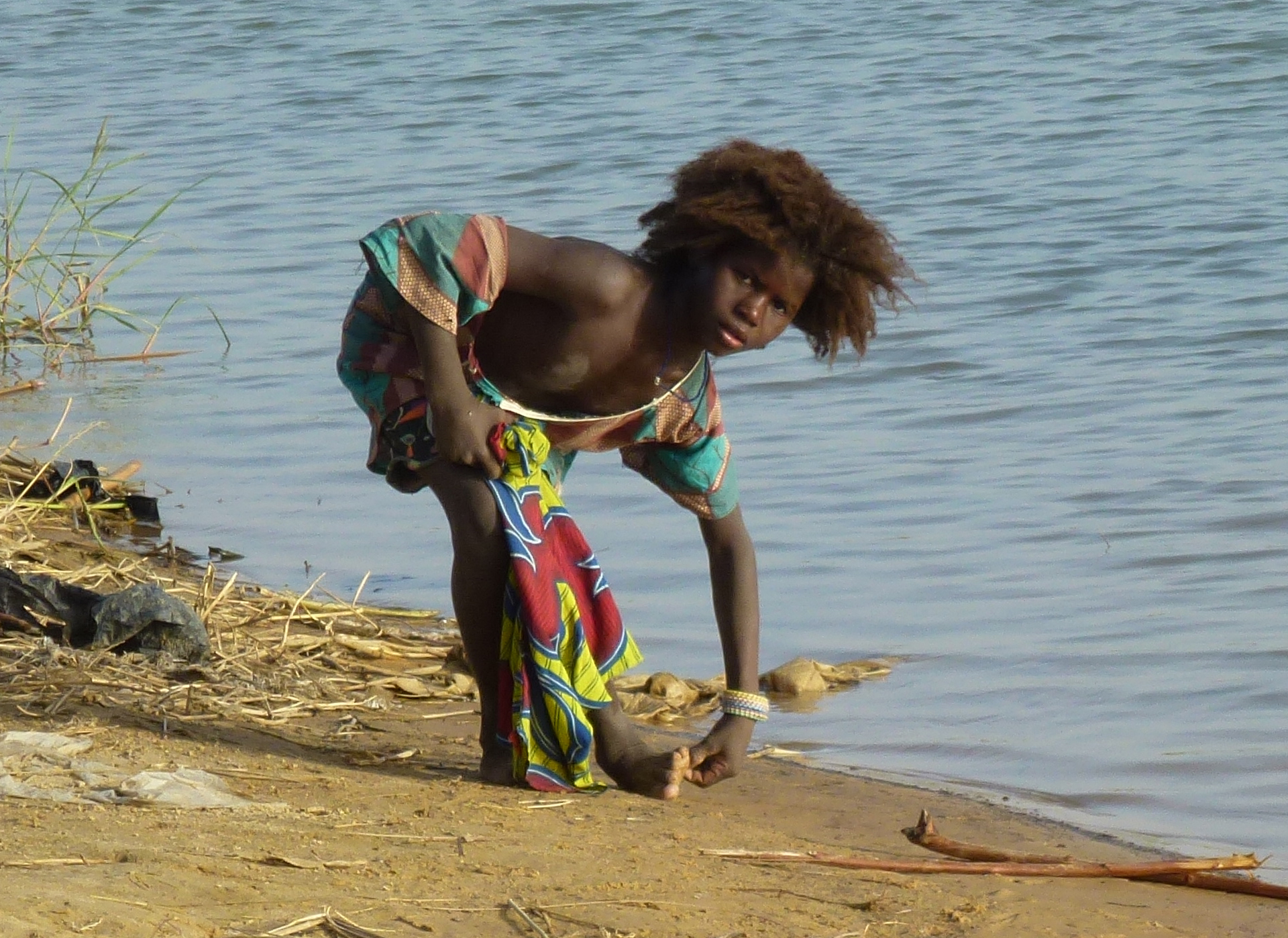
Mali
The Sahel, the desert blues, the griot tradition, the ngoni. Mali carries one of the richest musical heritages in the world.
From Bamako's neighbourhoods to the open dust of Dogon Country — a place that changed how Sim listens.
Portugal — Algarve, 2026
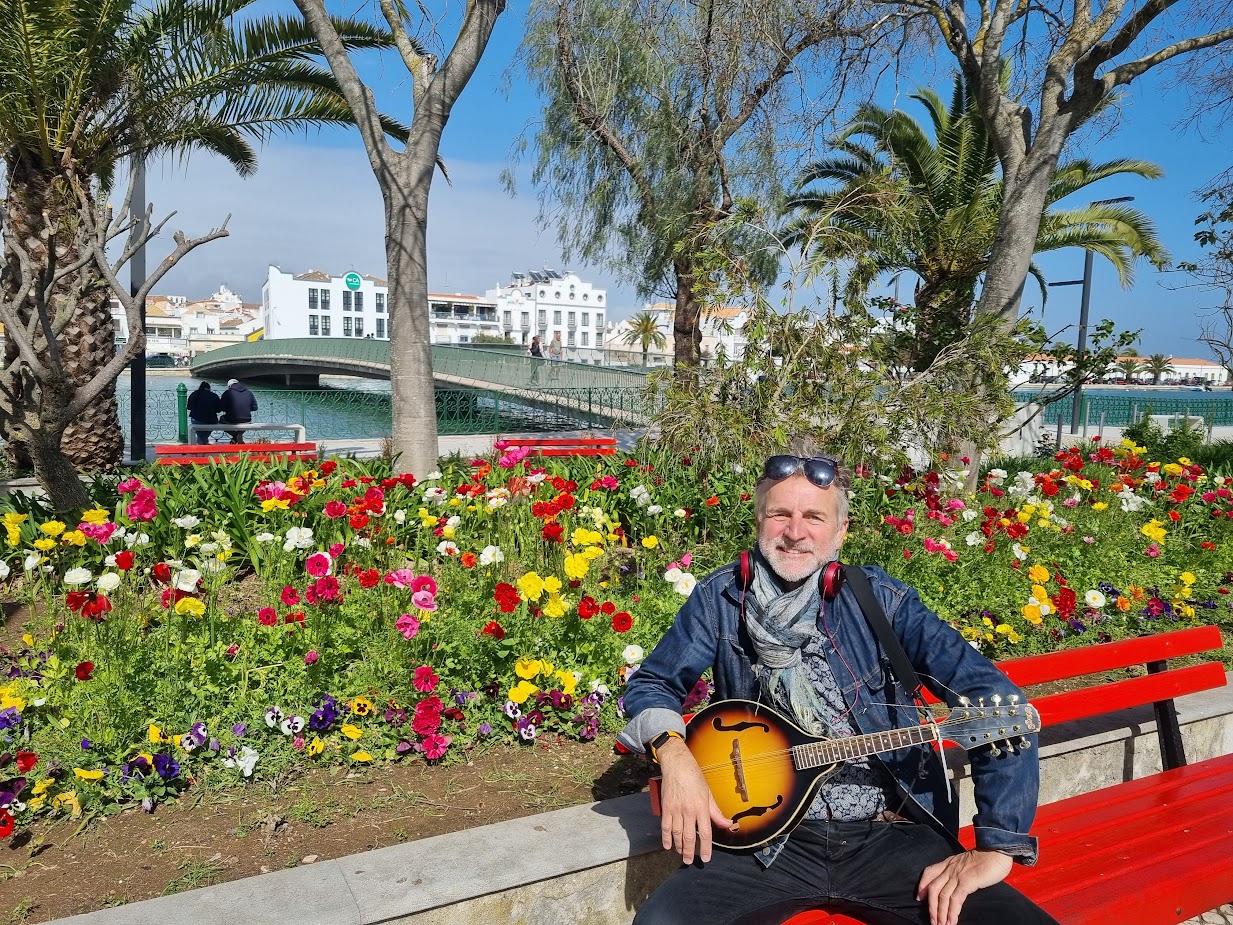
Tavira, Faro, Lagos. The Algarve in spring — whitewashed walls, orange blossom, the Atlantic close enough to smell. A journey that turned out to be full of music and unexpected encounters.
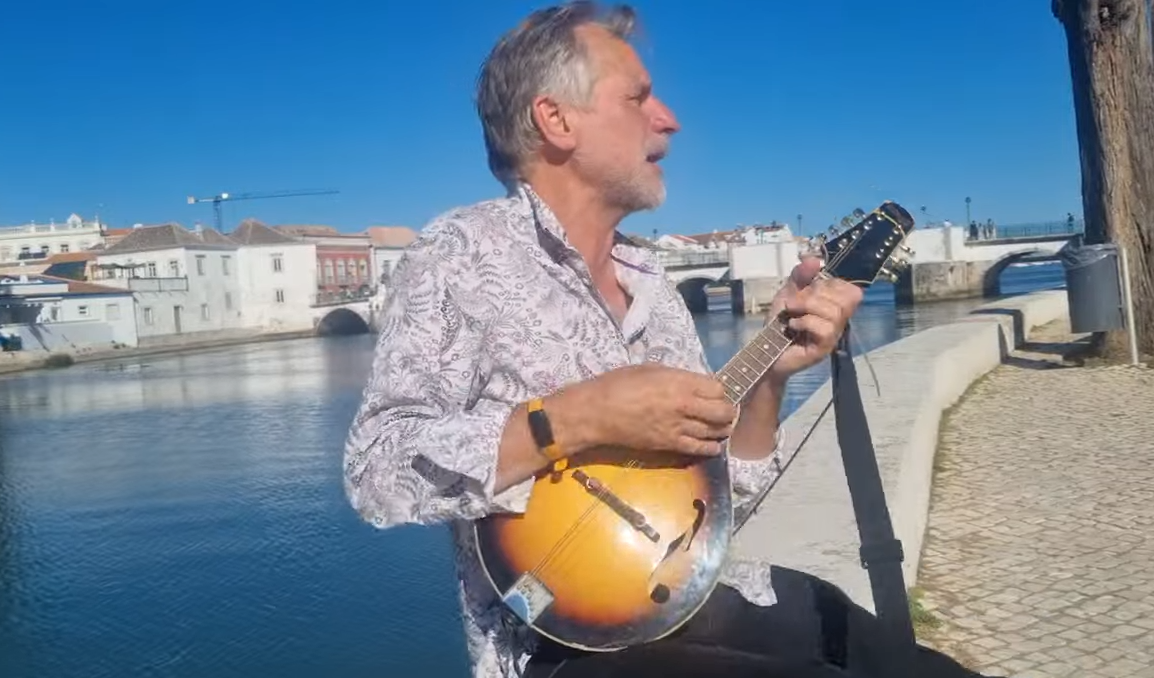
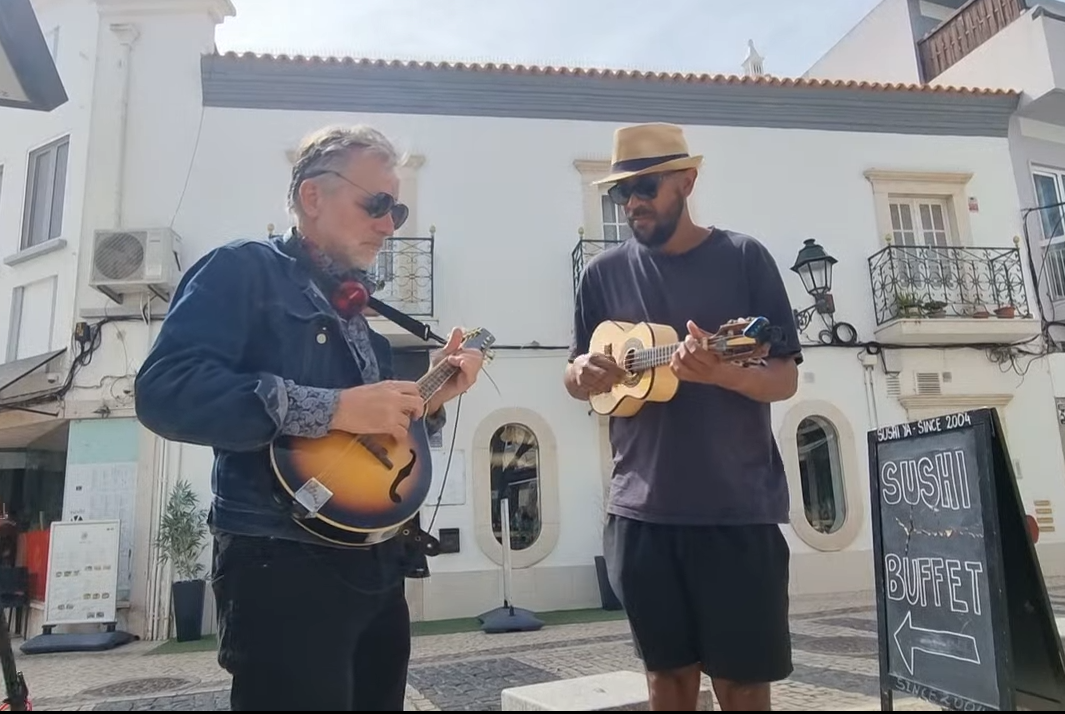
In Faro, a Brazilian guitarist who plays the cavaquinho — the small four-string instrument that sits at the root of both Brazilian choro and Portuguese folk music. He knew it with the ease of someone who has lived inside it for decades, and playing alongside him was a lesson in lightness: how much a small instrument can hold.
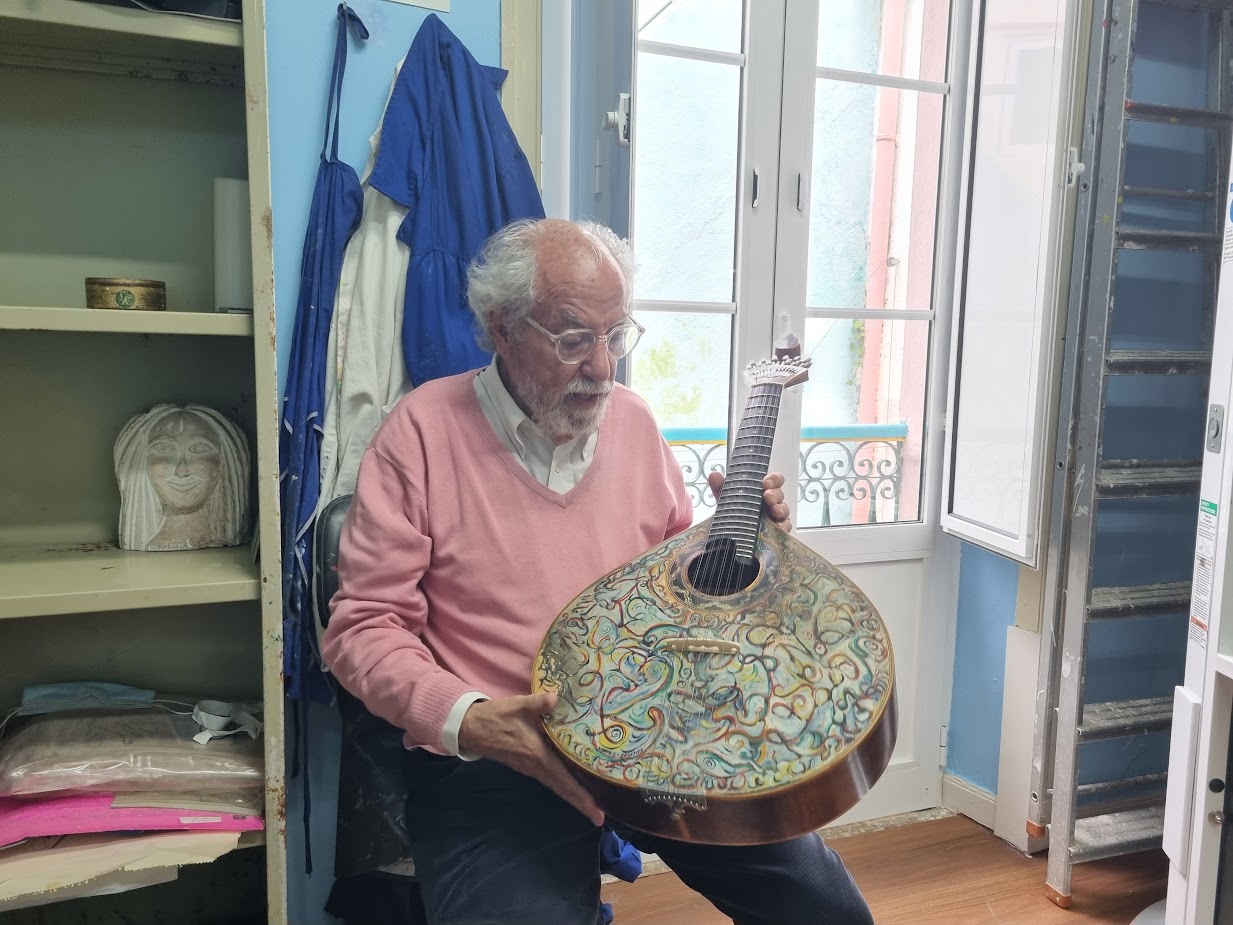
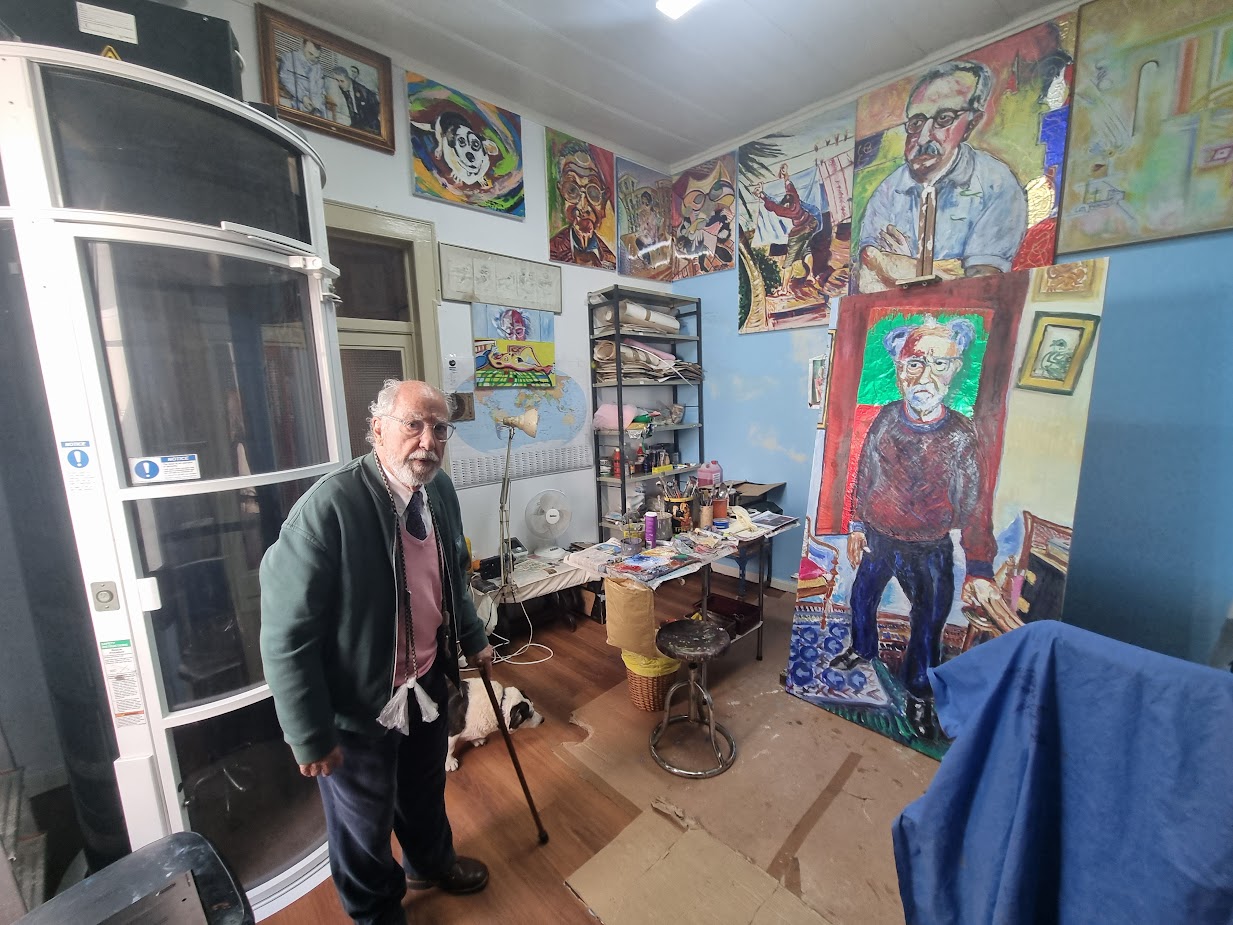
Nearby, an artist called João Vicente — formerly a doctor, now entirely given over to art. He has turned his whole house into a studio, every room its own world. On the front of the building he has painted a vast mural of DNA and molecules, because he is interested in science and sees no reason why a painter should not be. He also plays Portuguese guitar, and the afternoon stretched out in that particular way that happens when you are with someone whose curiosity fills the room. The house smelled of paint and old wood and the guitar rang off the tiles.
Then Lagos, and a chance meeting with Mina — a singer from Catalonia with a repertoire of Catalan songs, clear-voiced and completely at ease with them. We spent an afternoon rehearsing in the hostel, working out harmonies and arrangements for songs neither of us had ever played together before, and that evening gave an impromptu performance for whoever happened to be in the common room. That is the best kind of concert: unplanned, imperfect, and lit by the particular warmth of people who have nothing to lose.


France — Entrevaux
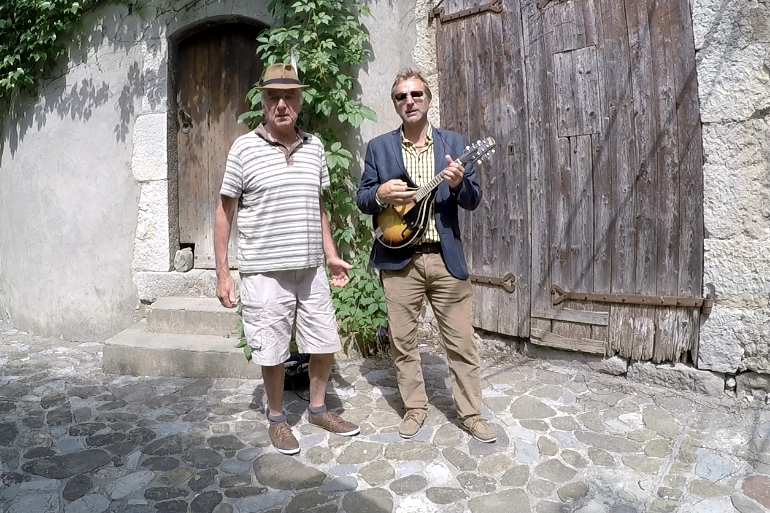
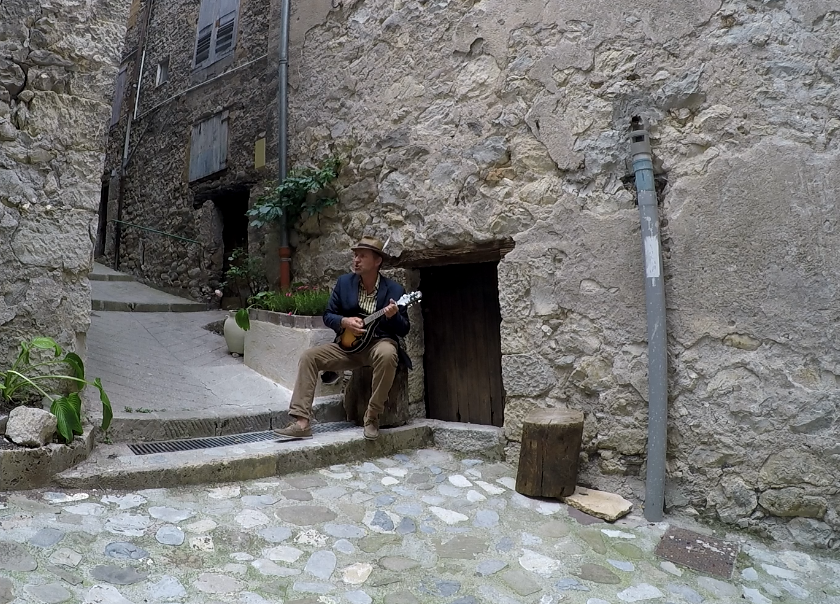
Entrevaux is one of those villages that stops you in your tracks. A medieval fortified town in the Var valley, it sits behind its drawbridge as though time decided to leave it alone. The stone is warm, the streets are narrow, and the citadel climbs the rock above in a series of zigzag ramps that take your breath and your legs. It is a beautiful, slightly improbable place.
Playing there brought one of those moments that travel and music sometimes conspire to make — children gathering, listening, and then singing along. No shared language needed. Just a tune, an afternoon, and the particular sunshine of Provence in summer.

Nicaragua
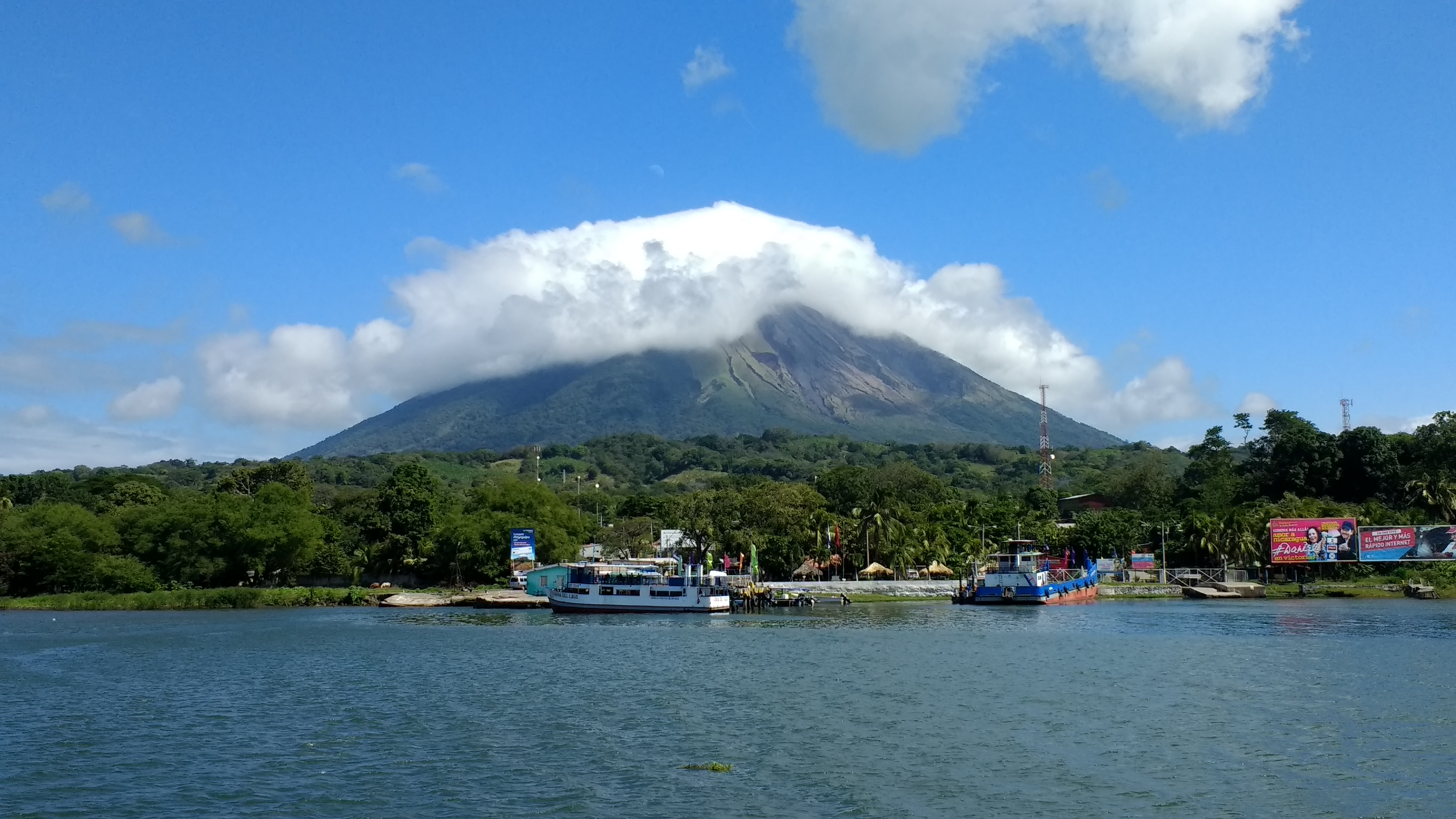
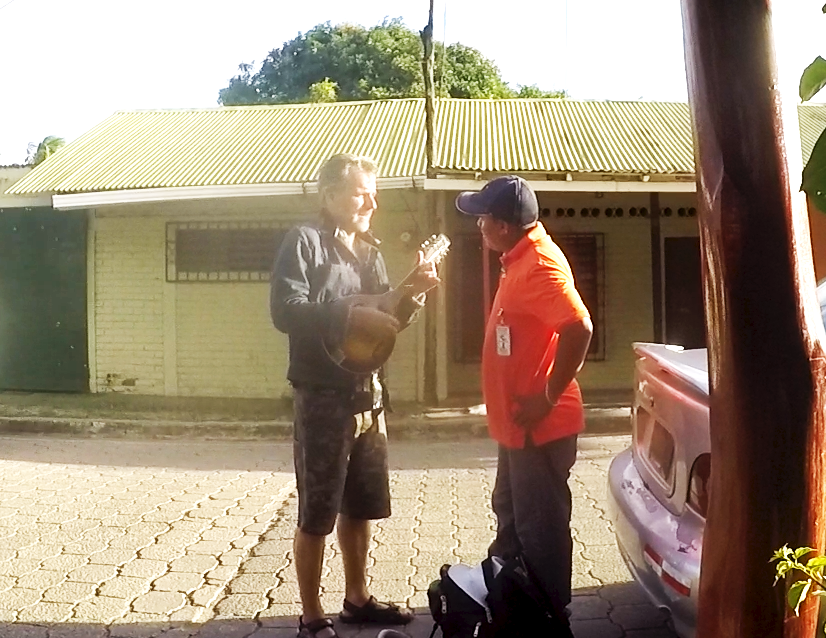
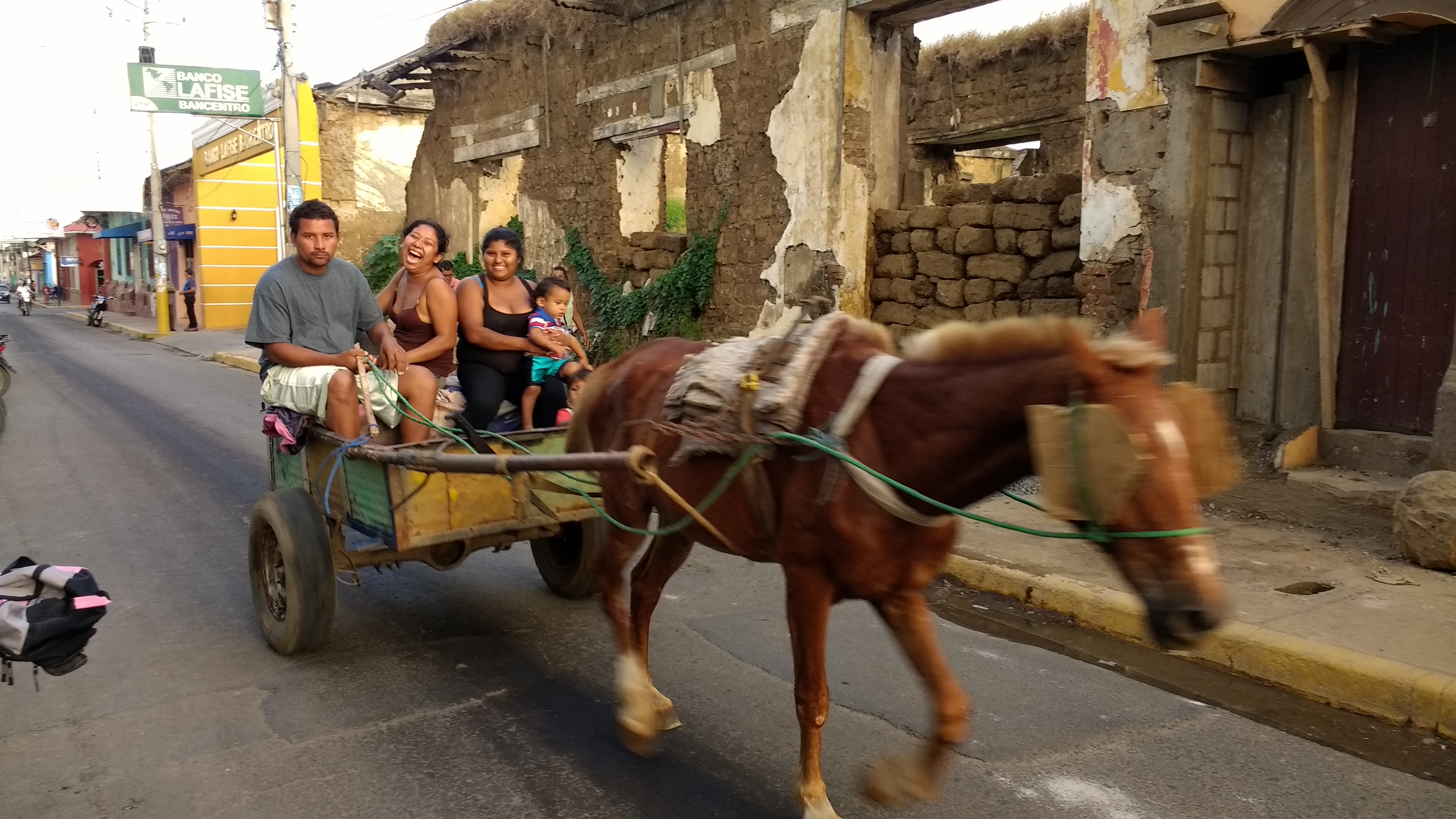
In the middle of Lake Cocibolca sits Ometepe — a volcanic island shaped by two towering cones, Concepción and Maderas. It is one of the most extraordinary landscapes in Central America: lush, remote, and humming with heat. The roads are rough, the jungle comes right to the water’s edge, and the volcanoes are always present — sometimes veiled in cloud, sometimes impossibly clear against the sky. Nicaragua introduced a different kind of travel: slower, warmer, stranger, and full of music in unexpected places.
France
A second visit, a different season. The south this time — limestone hills, dry riverbeds and the sound of cicadas at dusk.
France keeps appearing in the Sound Routes story, each time offering something the previous visit missed.
Ireland
Atlantic coast, pub sessions, green hills dissolving into mist and the conversational warmth of Irish traditional music.
Ireland offered something rare: a living oral tradition that felt both ancient and entirely at ease with itself.
Egypt
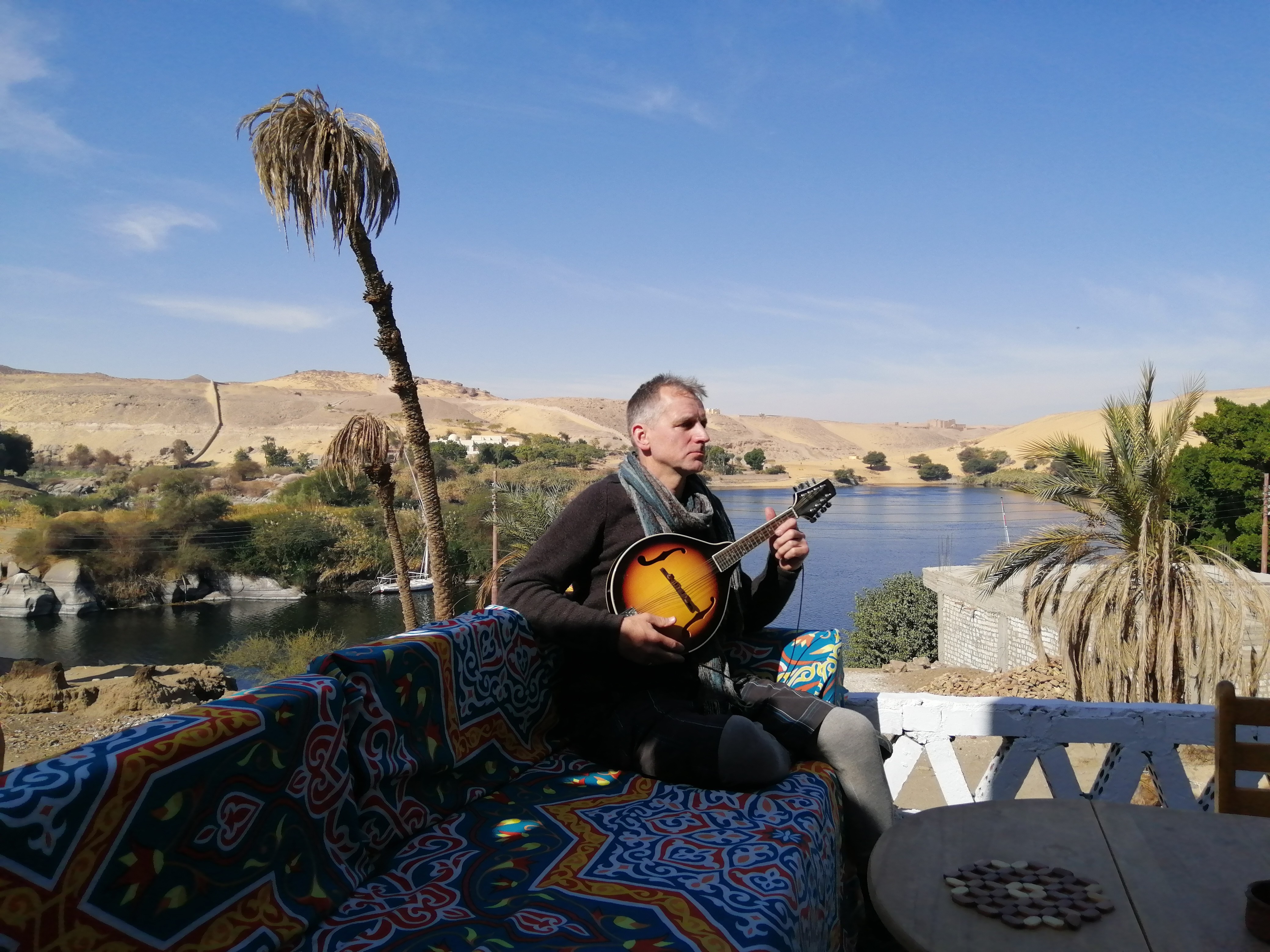
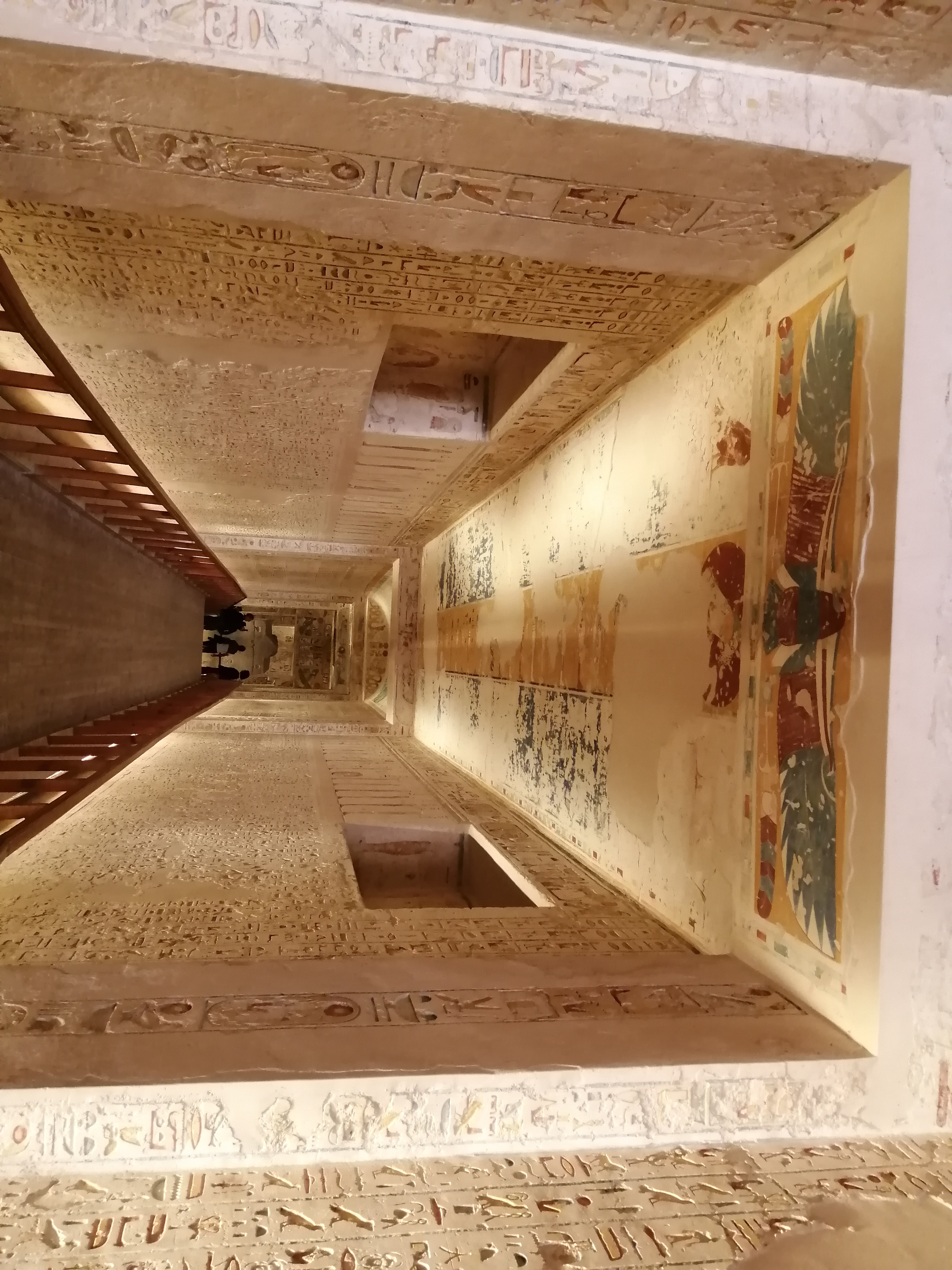
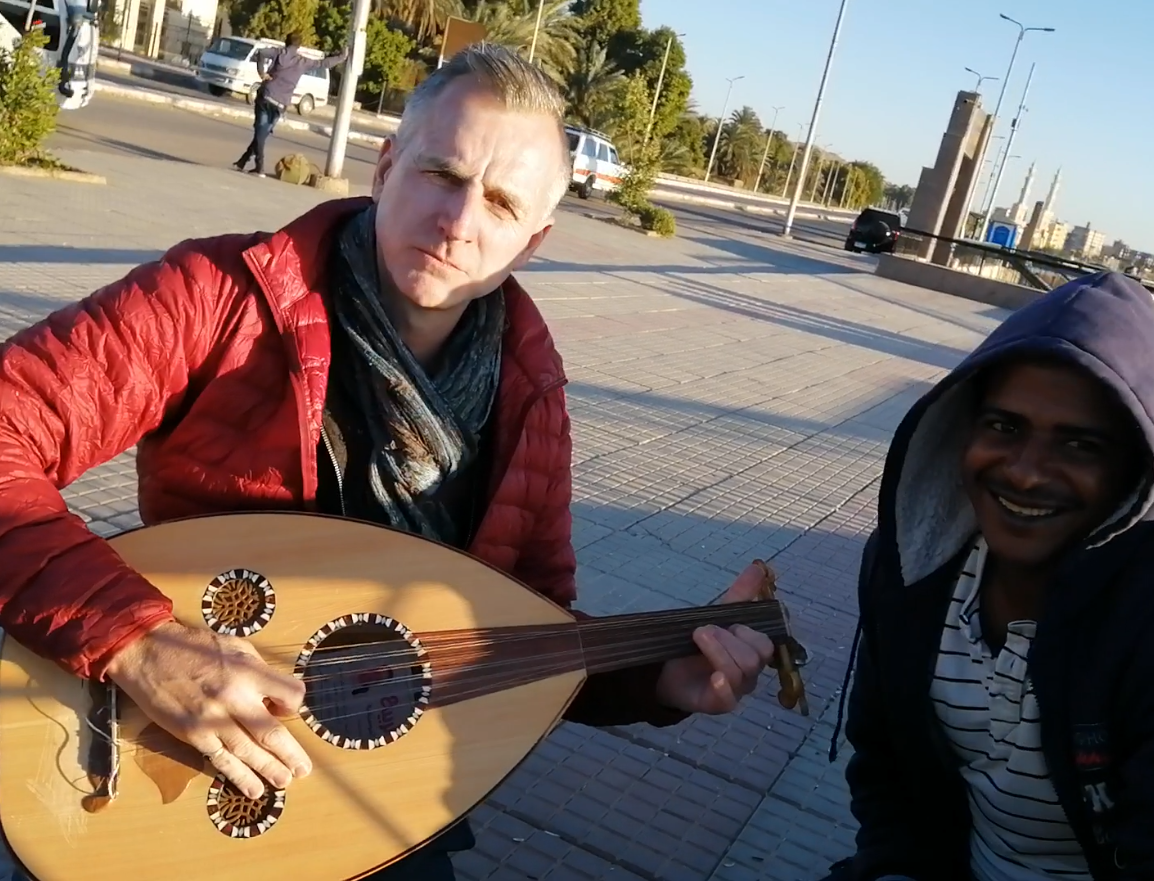
Aswan, the Nile, and the slow train south to Luxor and the Valley of the Kings. A stay on Elephantine Island — small, ancient, and quiet enough that you can swim in the Nile (though crocodiles occasionally appear, so the locals say). Sailing a felucca in the evening light, visiting Nubian villages painted in vivid colour, and finding in all of it the deep, unhurried pulse that gets into the mandolin whether you intend it to or not.
Jordan — Wadi Rum & Petra
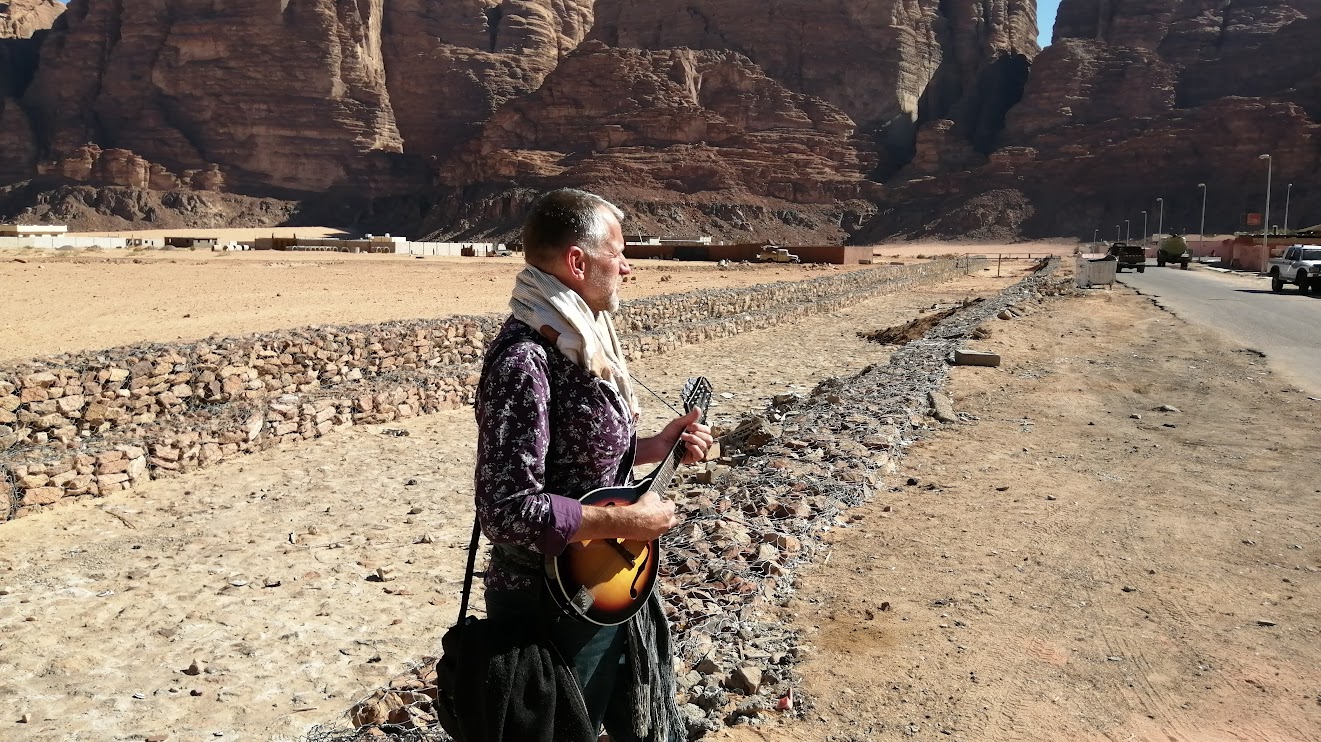
Wadi Rum at night is one of those experiences that is difficult to describe without sounding like you are exaggerating. The red sandstone cliffs go dark, the desert cools fast, and then the stars come out — not in the way stars come out in most places, but in overwhelming, excessive, almost implausible numbers. Camping with the Bedouin, tea by the fire, the quiet of the desert all around. The mandolin came out, as it does, and in that setting it sounded like exactly the right thing — small, warm, offering something to the dark without trying to compete with it.
Then Petra. There is no adequate preparation for Petra. You walk through the Siq — the long narrow gorge of rose-red rock — and then the Treasury appears at the end of it and every photograph you have ever seen of it turns out to have been inadequate. It is mythic in the truest sense: a place that exists on a scale that makes ordinary life feel provisional. To walk through it with a mandolin on your back is to feel both very small and very lucky.
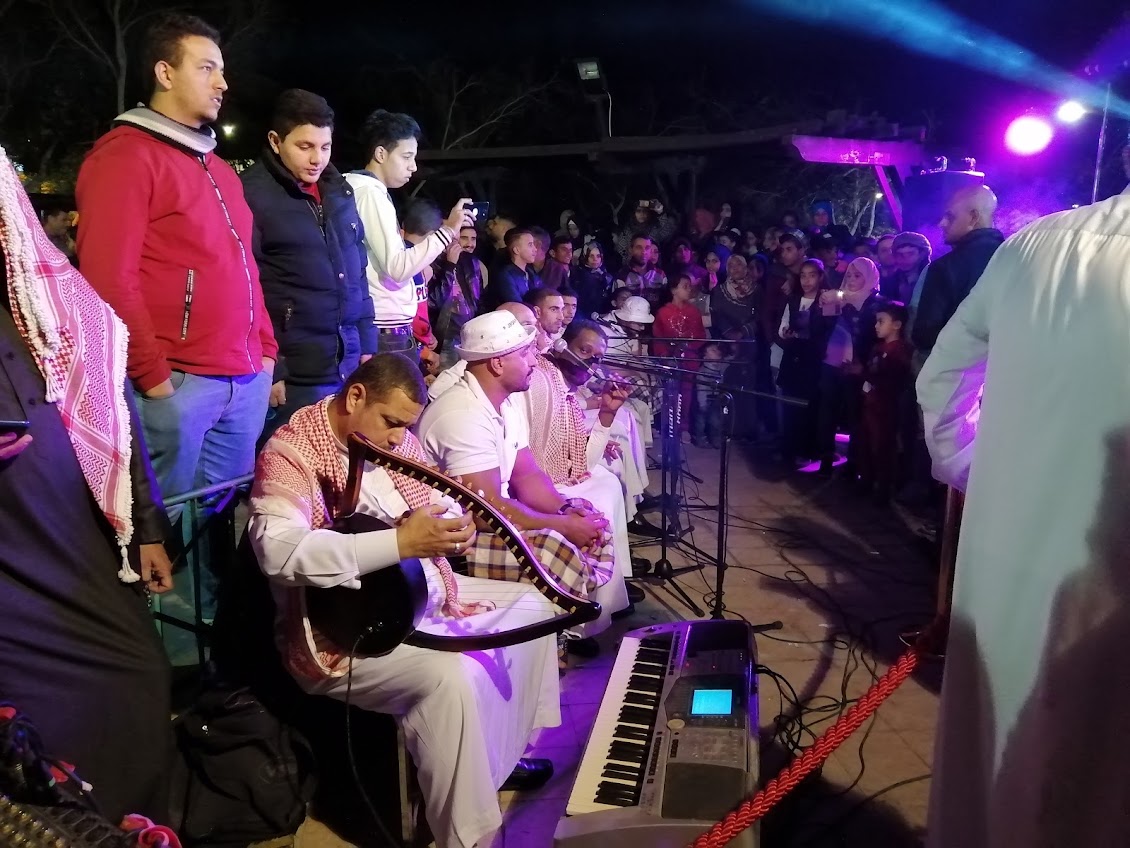
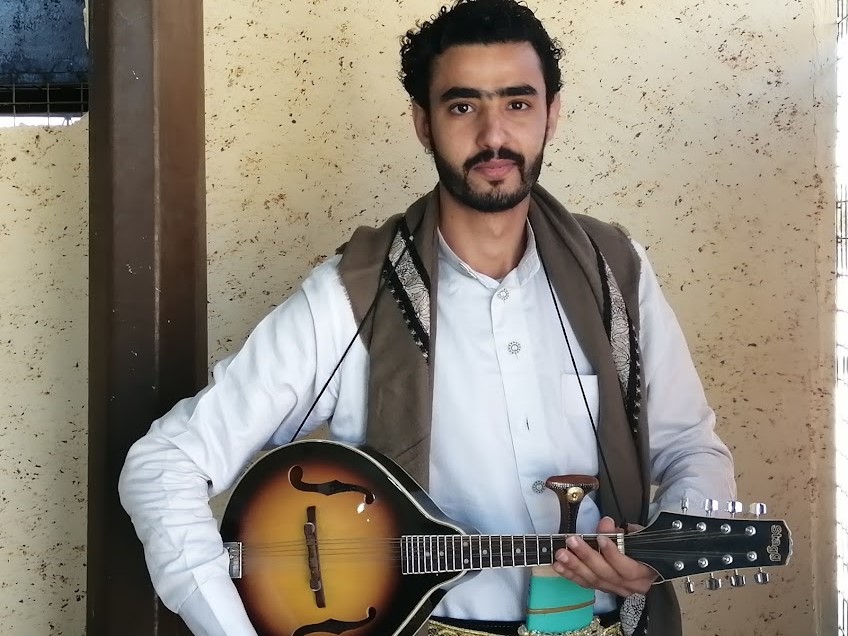
And then, unexpectedly, a birthday party — someone's, somewhere — that turned into an impromptu concert: mandolin, ukulele, and a repertoire of Jordanian music played by people who knew the songs and were generous enough to teach them. The kind of evening that arrives without warning and stays with you for years.
Poland
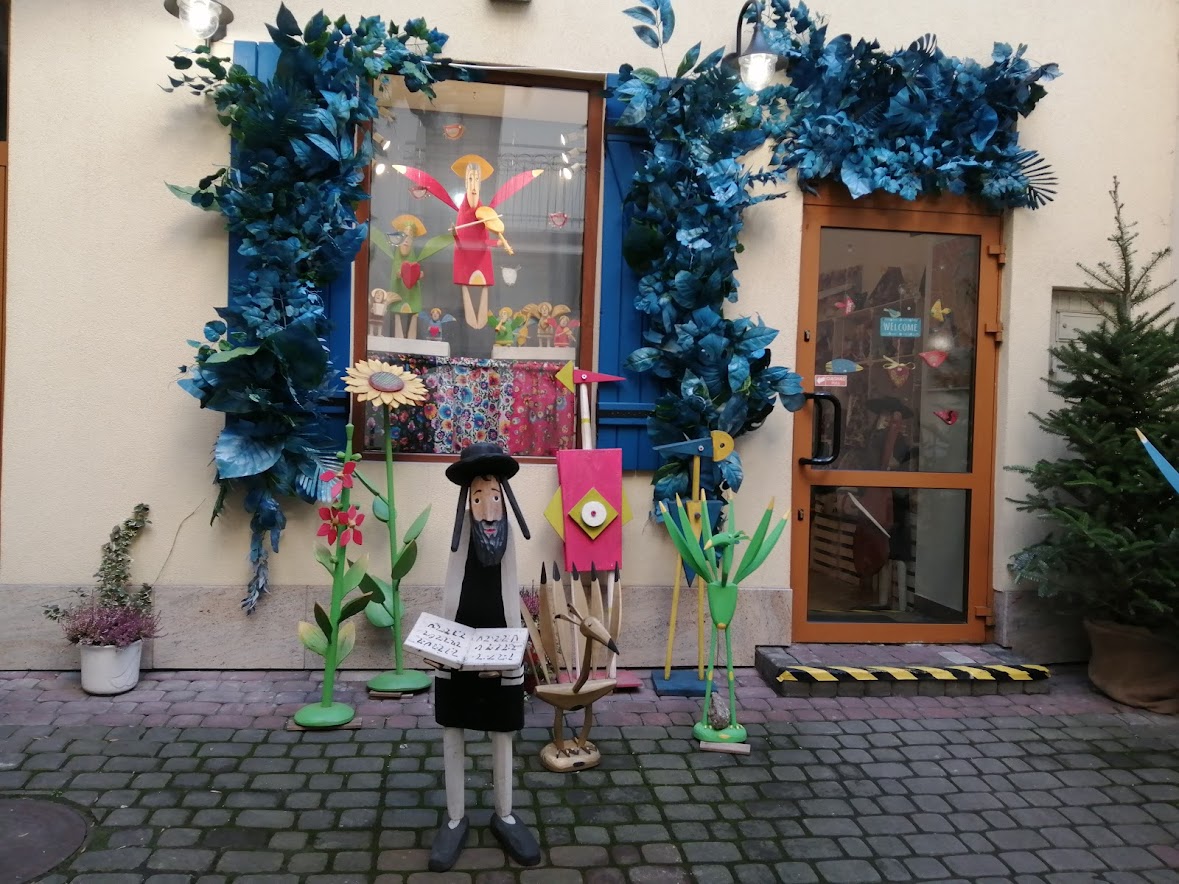
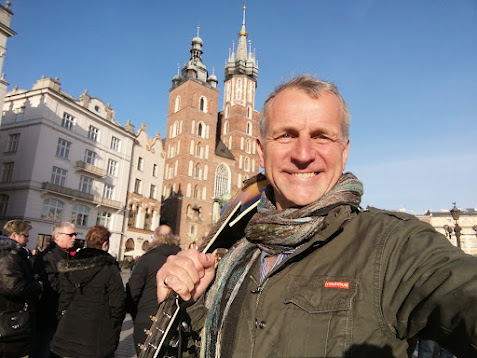
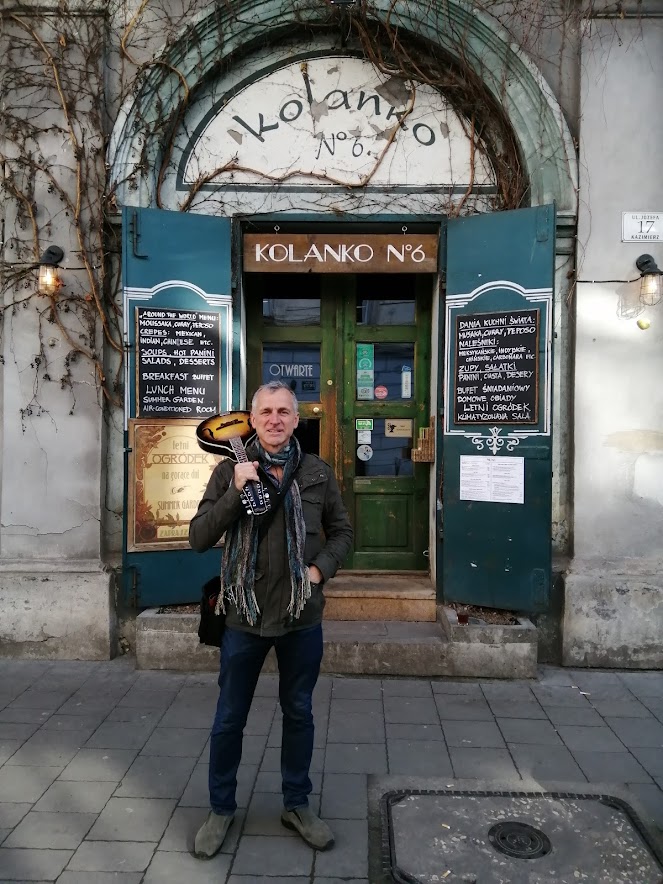
Kraków's cobblestones, the old town at dusk, a courtyard where the mandolin echoed strangely off brick walls.
Poland sits in the book as a moment of contrast — colder air, a different kind of quiet, a different way of listening.
England
The home base — but also a place of music-making, rehearsal, collaboration and the slow work of bringing journeys back.
England appears as anchor and counterpoint: the quiet from which the routes depart, and to which they return.
Romania — Bucharest, Transylvania & Bucovina
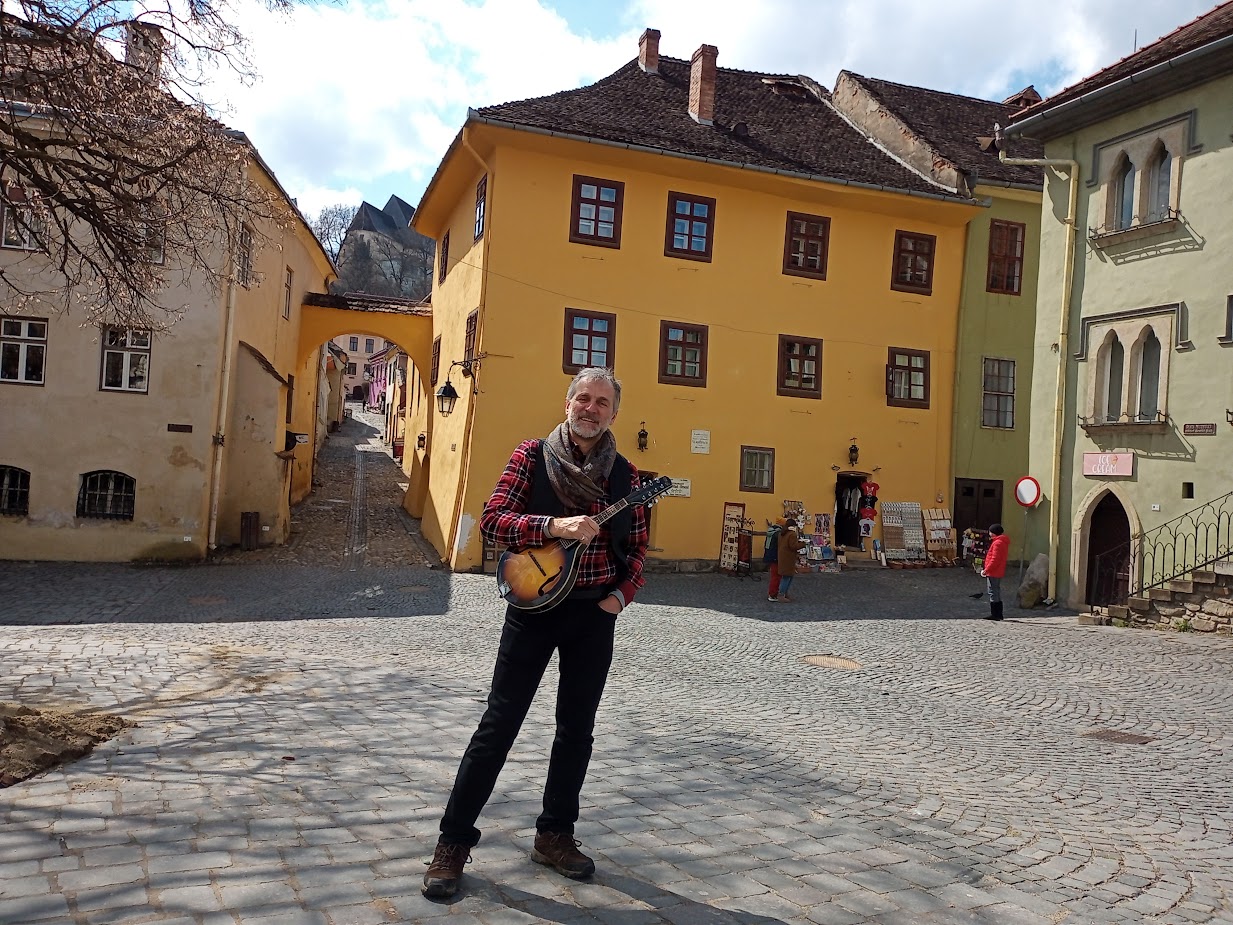
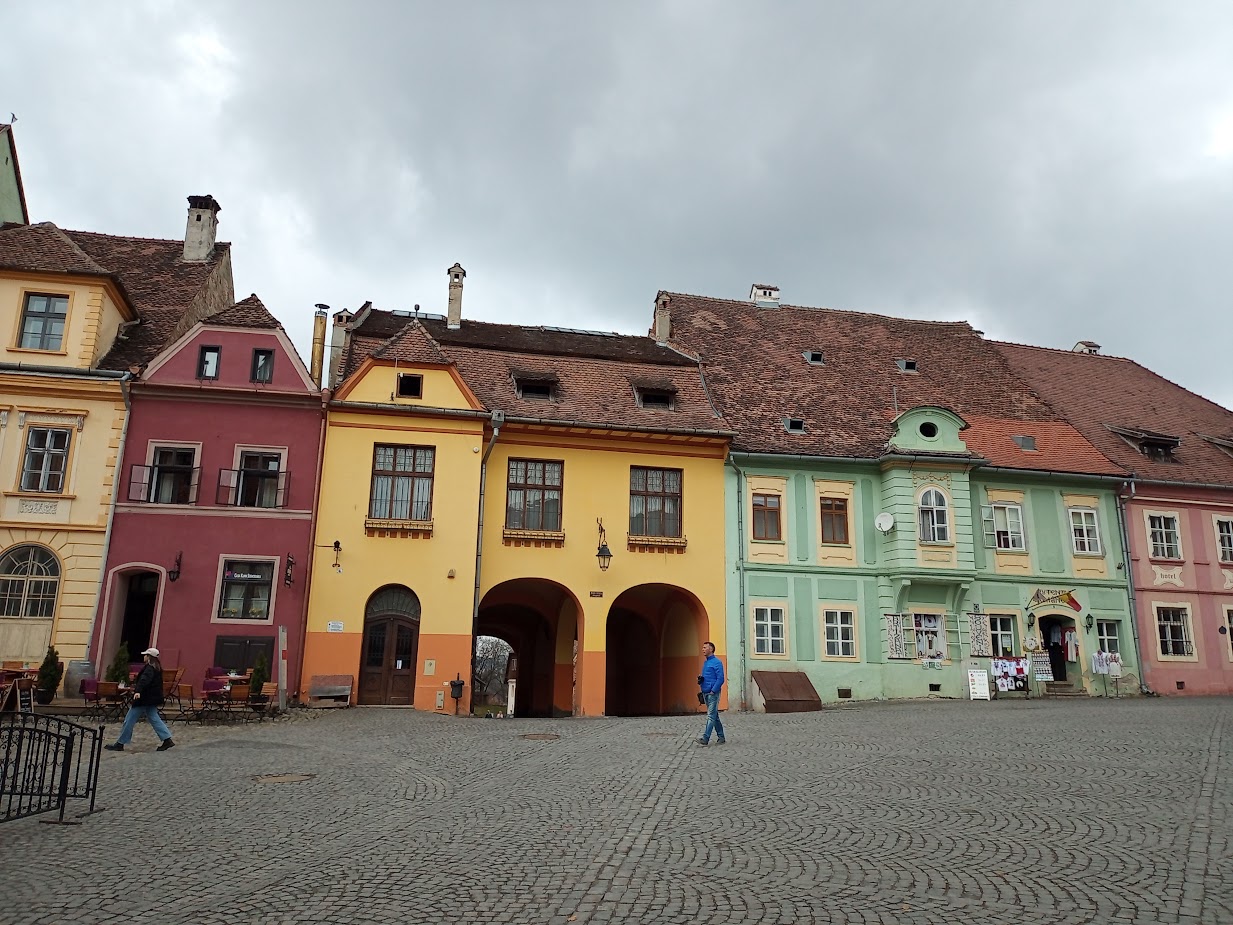
The journey began in Bucharest — Ceauçescu's vast, absurd palace still dominating the city like a monument to the wrong kind of ambition. Then north by train to Braşov, and into Transylvania: steep forested hills, Saxon villages, and Sighişoara, the medieval citadel where Vlad Dracul — Vlad the Impaler, the historical figure behind Dracula — was born. The house is still there, quiet and slightly domestic-looking for someone with that particular reputation.
Further north, Bucovina — a region now split between Romania and Ukraine, and one of the great musical crossroads of Eastern Europe. Its folk tradition is extraordinary: Ukrainian, Romanian and Jewish influences woven together over centuries, played on bandura, violins, cymbals, sopilki flutes, and the trembita — a long Alpine-style wind instrument whose sound carries across mountain valleys like a call from another time. This is music with deep roots and a complicated history, and it has been one of the lasting inspirations behind the Sound Routes practice.
Sicily — Villafranca Sicula
Villafranca Sicula is a small hill town in the Province of Agrigento, in the deep south of Sicily — and it was searingly, mercilessly hot. The kind of heat that makes the air shimmer off the stone and convinces you that movement is optional. Forty degrees and not a cloud between you and the sun.
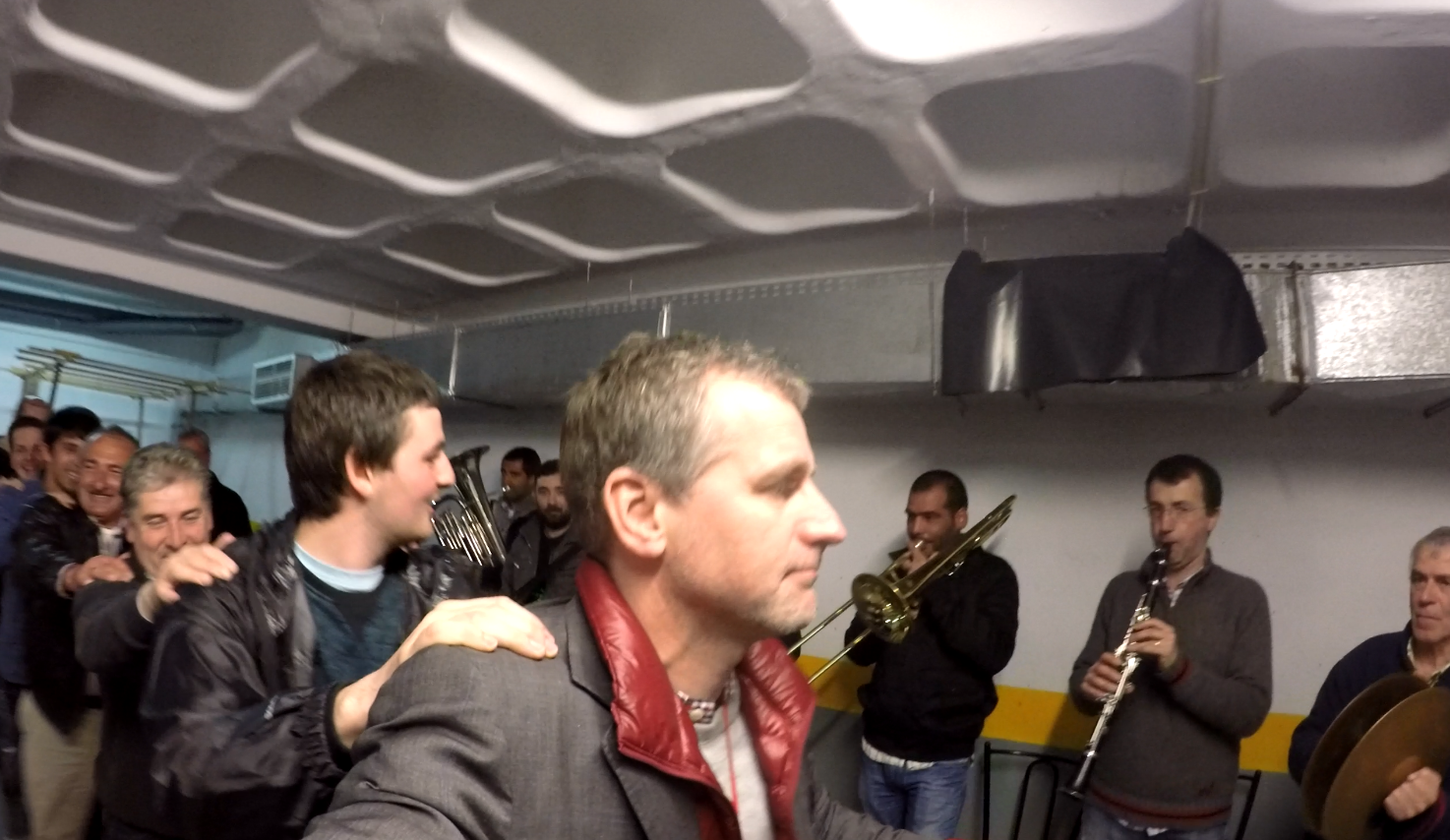
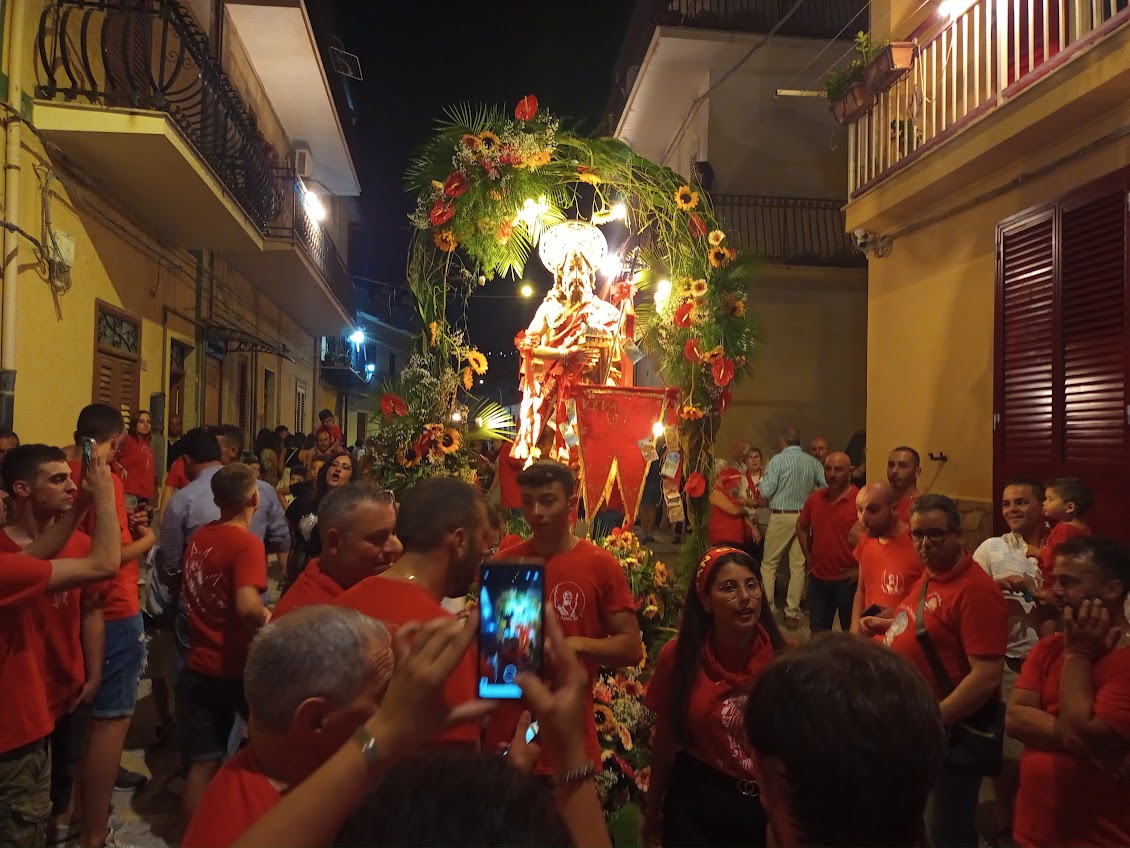
The reason for going was the music — specifically the Sicilian banda tradition: marching bands tied to particular villages, particular saints' days, particular moments in the liturgical year. These are not tourist events. They are old, local, and fiercely felt. Each village has its own band, its own repertoire, its own way of processing through the streets. The music is loud, ceremonial, full of brass and percussion, and when it fills a narrow street between stone buildings the sound has nowhere to go except through you.
The feast of San Giovanni Battista — St. John the Baptist, celebrated on 24 June — has its own local customs in Villafranca, including a special pastry called sangiuvannuzzu, made only for that occasion. Food, music, procession, saints: these things are not separate categories here. The band plays, the pastry is made, the village comes out. It has been happening this way for longer than anyone can remember, and the continuity is the point.
Morocco
Marrakesh, Essaouira, Fes, the Sahara and the roads between — Morocco has been a recurring destination for Sound Routes.
Gnawa trance, Amazigh rhythm, Andalusian melody: Morocco holds its musical traditions with both hands, lightly.
Morocco Part II
A return. Imsouane this time — a small fishing village on the Atlantic coast, where 'Yelalel' was made with Yaya and Simo.
The second Morocco chapter moves more slowly, more intentionally — working in one place rather than passing through.
Spain
The Camino, the meseta, the pilgrim roads of the north. Spain as endurance, as repetition, as music found in exhaustion.
A chapter of the book is set here — blisters, bad coffee, and the mandolin as the strangest thing on the trail.
France Encore
France again. A third time. Because some places refuse to be finished with you, or you with them.
This chapter closes a circle — a different France from the first two, slower, more domestic, more at peace with staying still.
Gambia
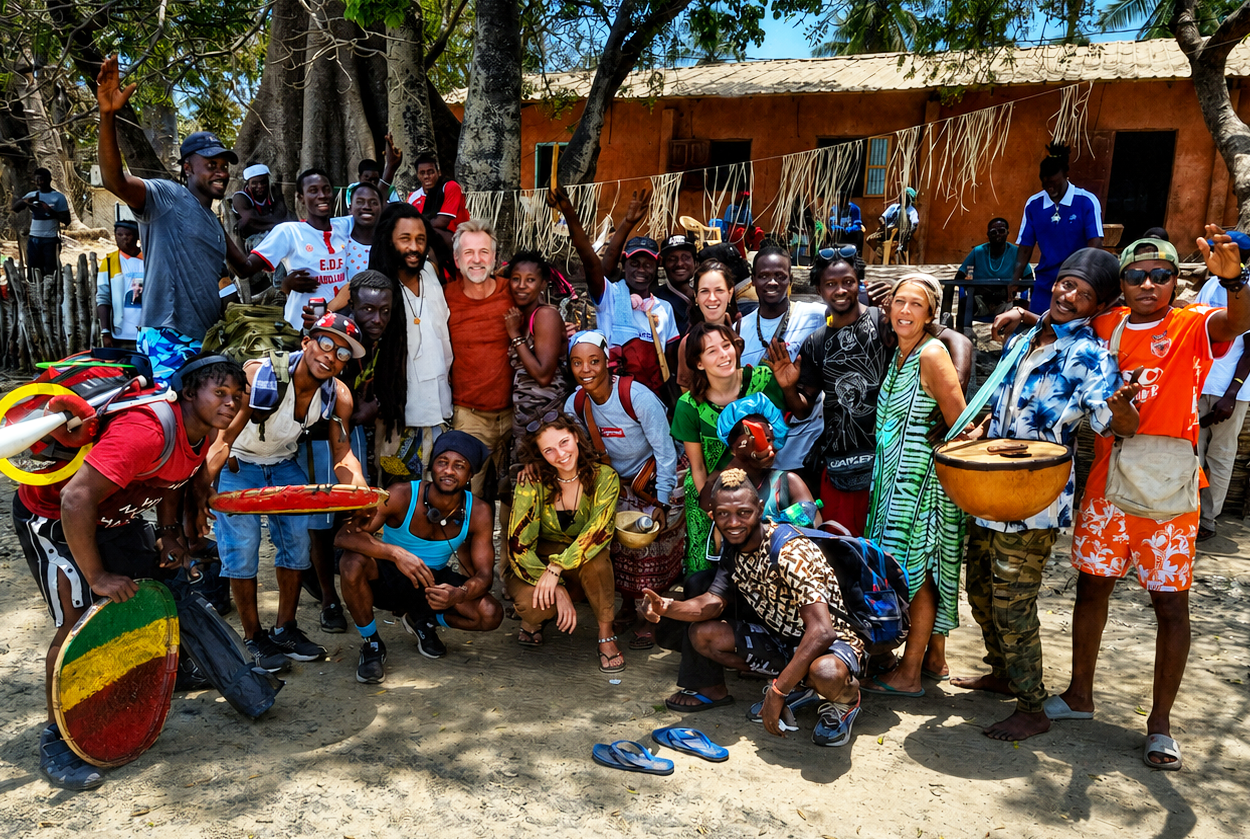
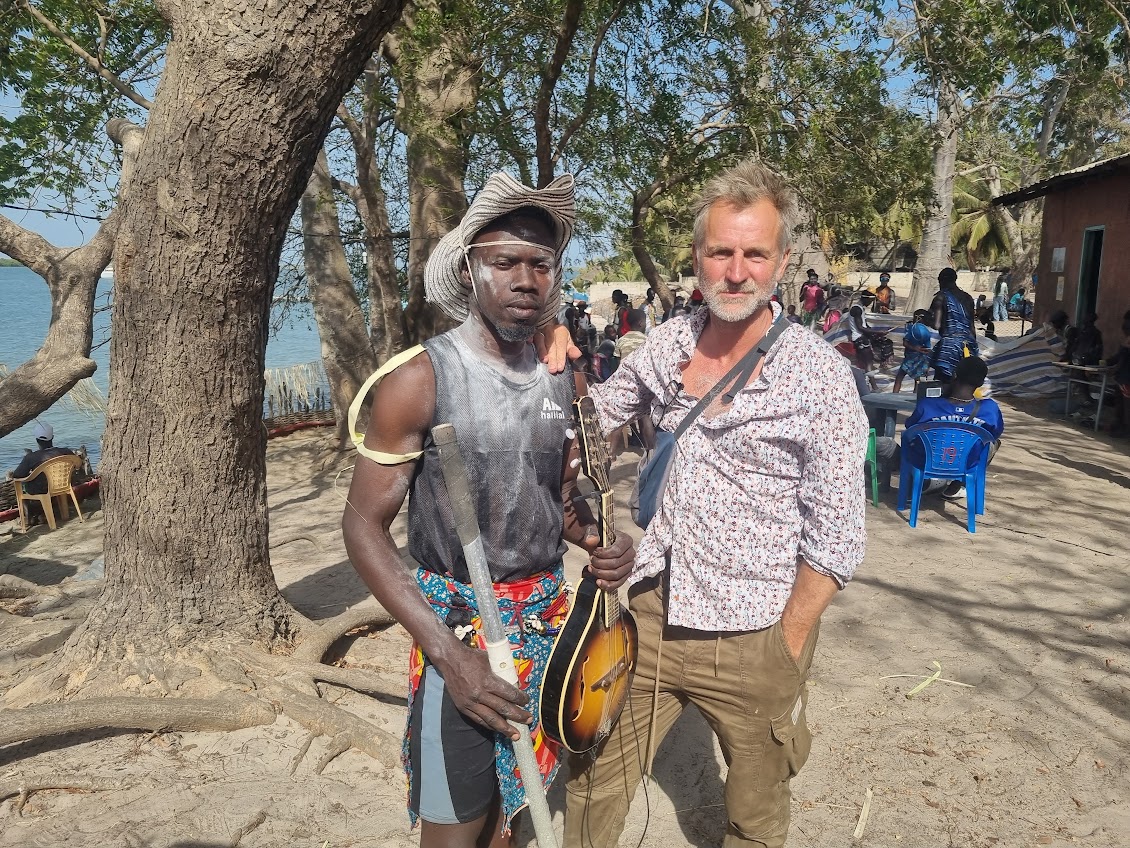
A sliver of a country along a river, home to some of the world's finest kora players. Where 'Sanu' and 'Tonya' were made.
The Gambia is where Sound Routes moved from travel into sustained collaboration — the river, the recording, the exchange.
Senegal / Casamance
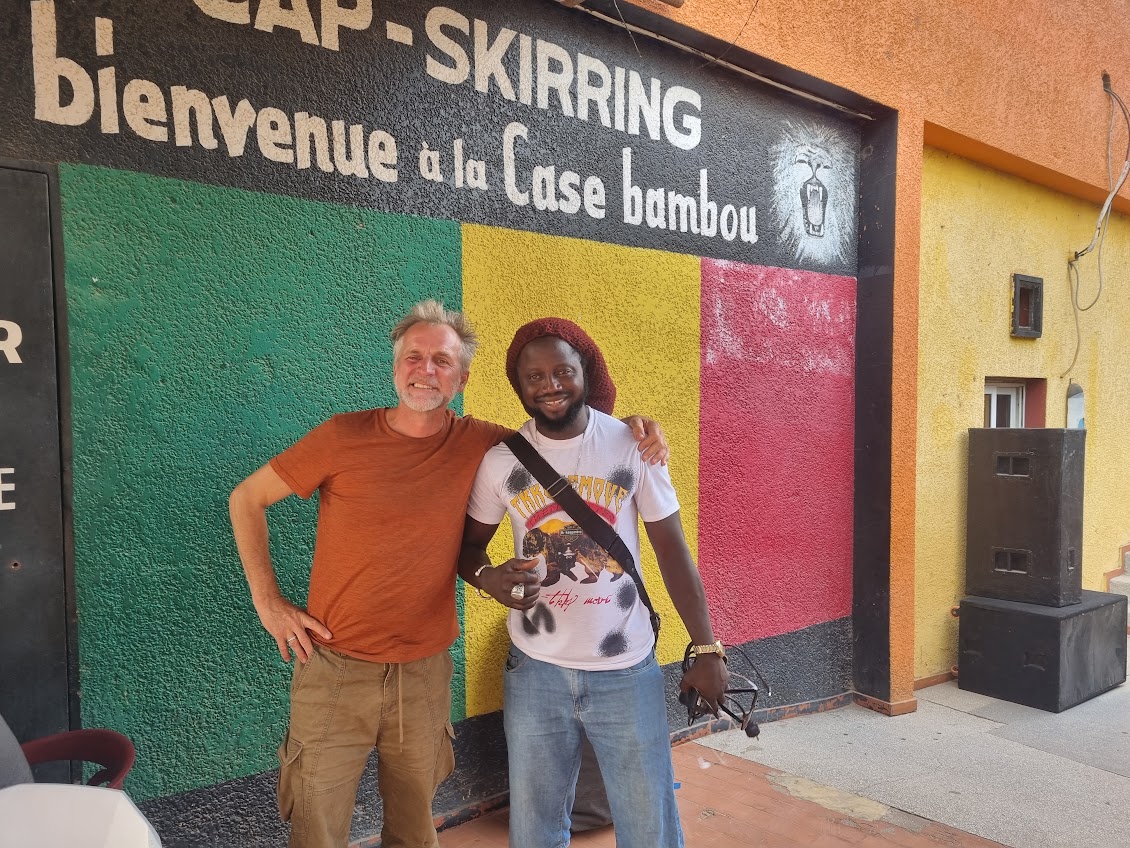
Dakar's Atlantic energy, the quiet forests of Casamance, the kora. Where 'Sanu' was recorded with Dialy.
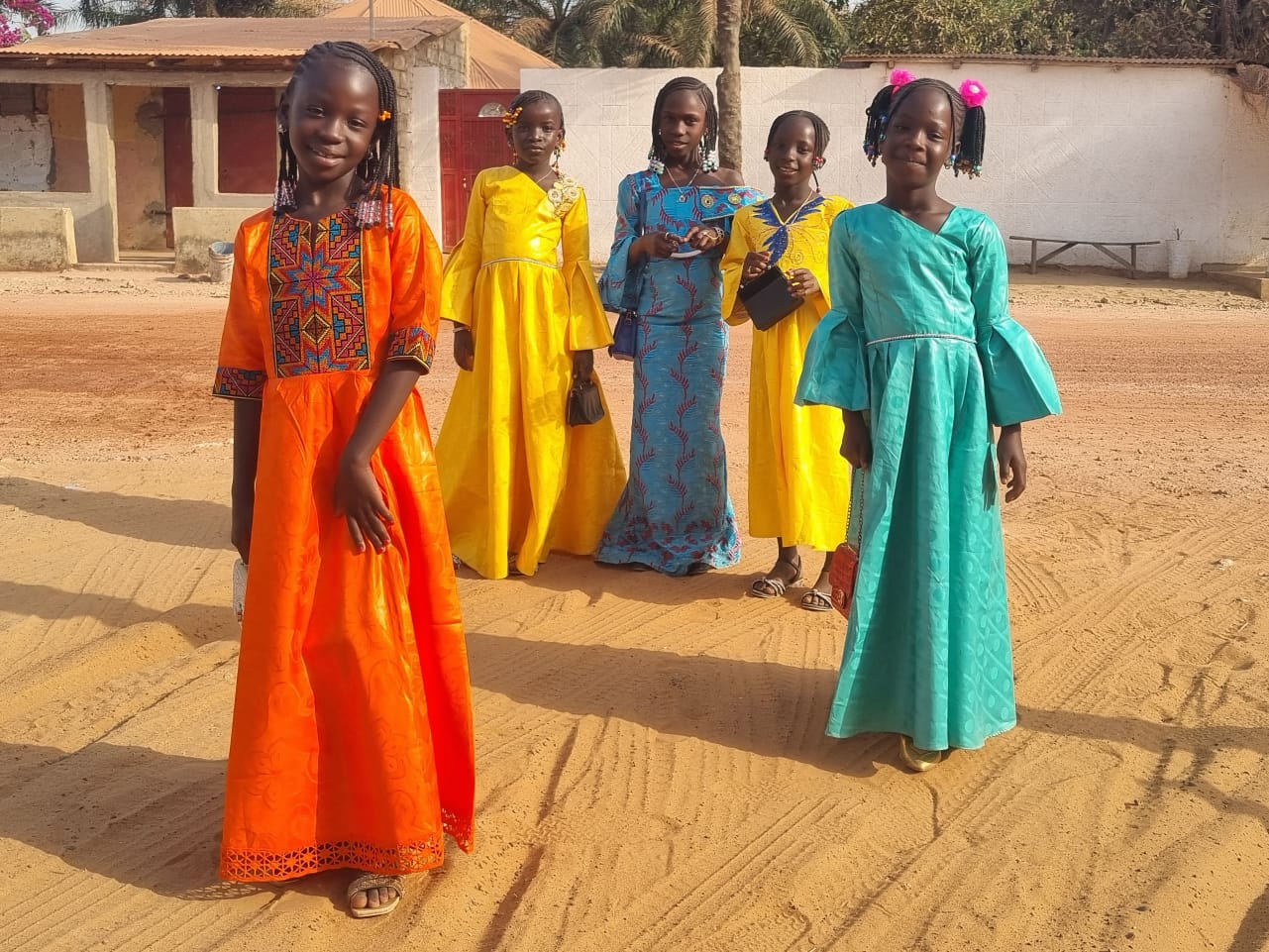
Senegal carries extraordinary musical depth — mbalax, kora tradition, vocal storytelling and a thriving contemporary scene.
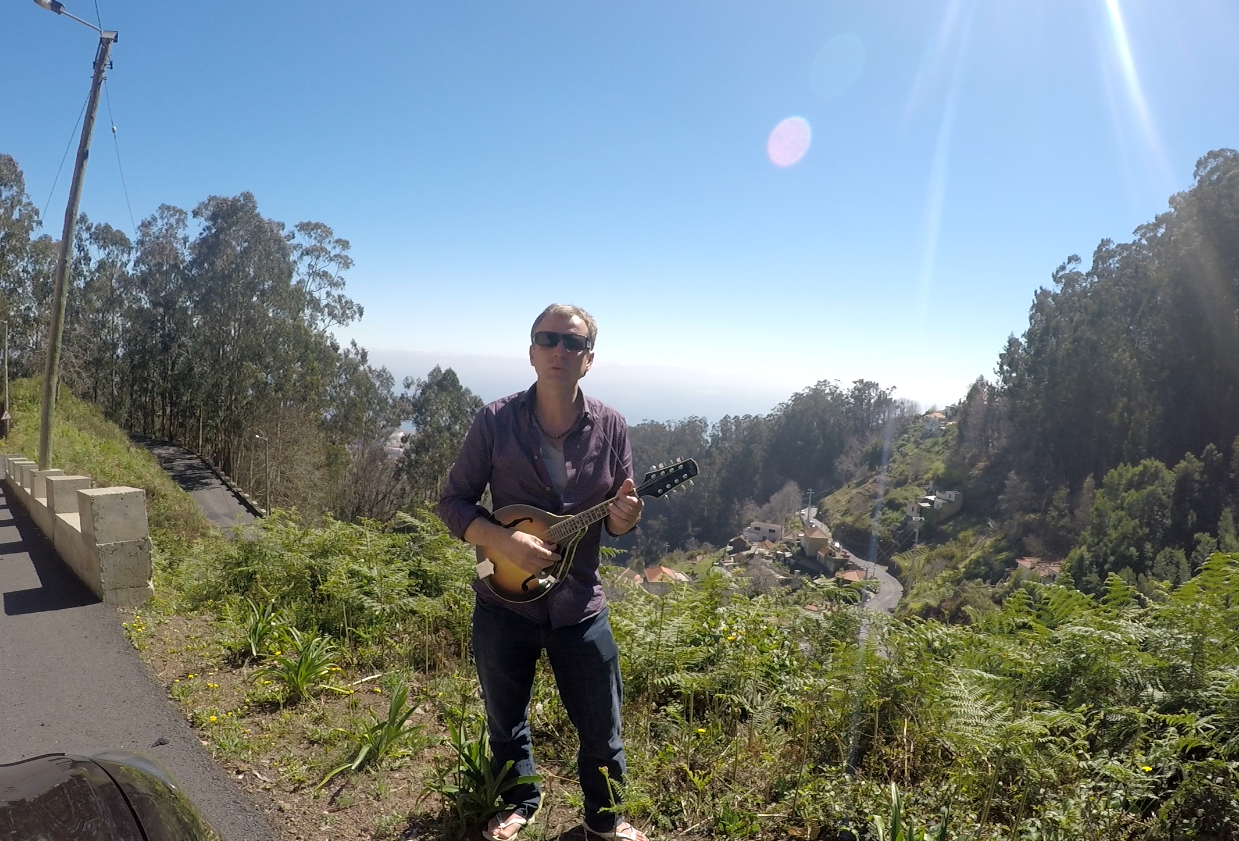
Madeira, Portugal
Madeira divides itself quietly. The north of the island is green, cool and often cloudy — Atlantic mist rolling in off the ocean, dramatic cliffs, a wilder, quieter feel. Then you come south and round into Funchal, where the sun is out and the city spills down the hillside to the harbour. Head inland and the island changes again: dense laurisilva forest, high peaks, a microclimate entirely its own — warmer in some valleys, cold and misted on the ridge, a different season depending on how high you climb. It is a small island with an unusual amount of weather inside it.